
 Translate
News
Building Regional Champions for a Thriving Wildlife-Based Economy in Southern Africa
2 August 2026

Johannesburg, South Africa | 27–31 July 2026
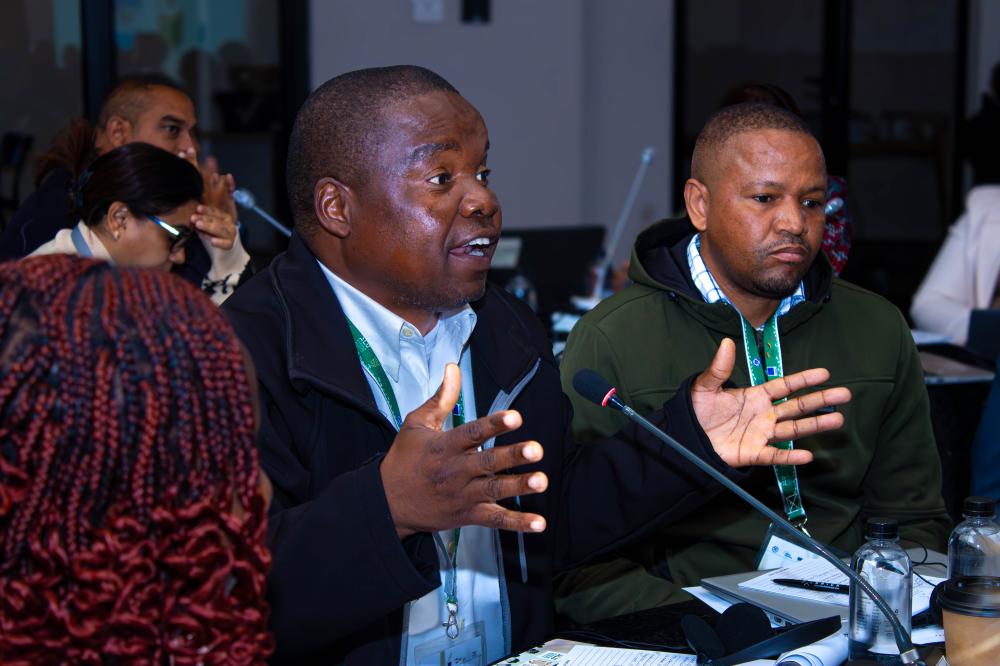
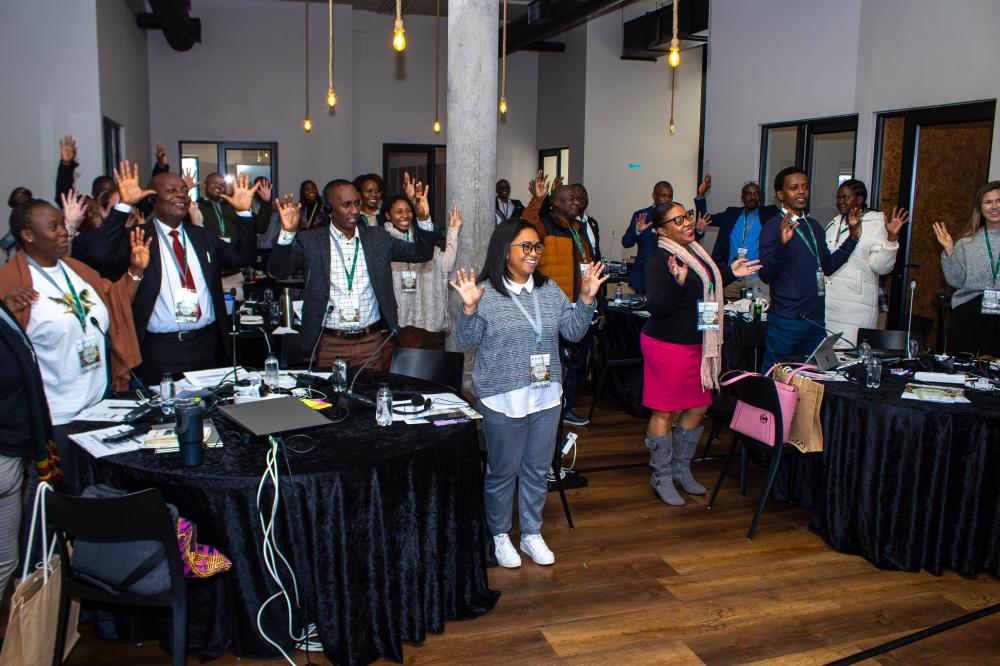
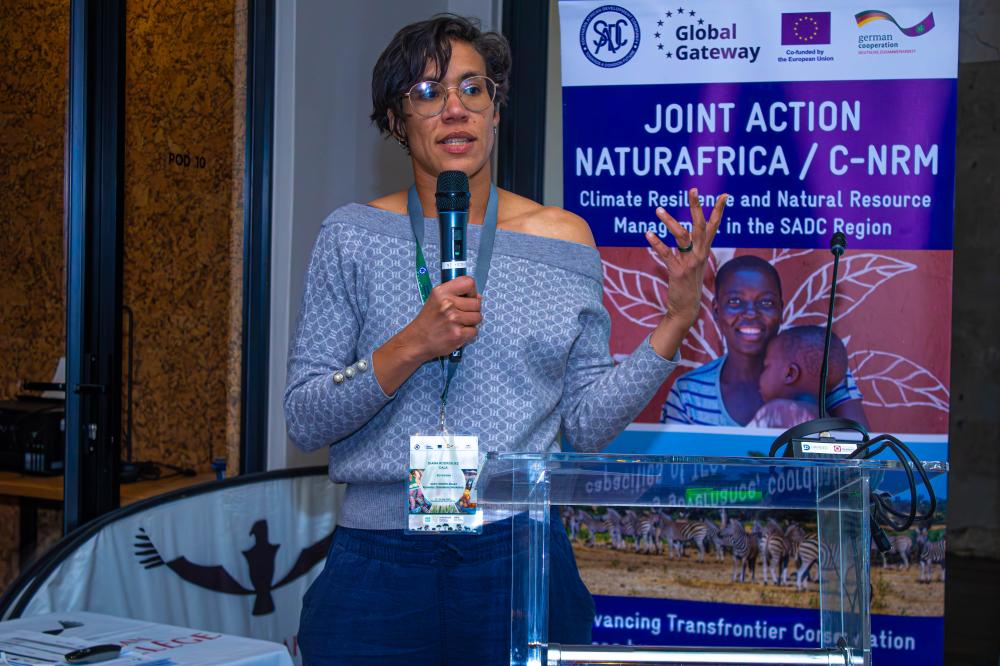
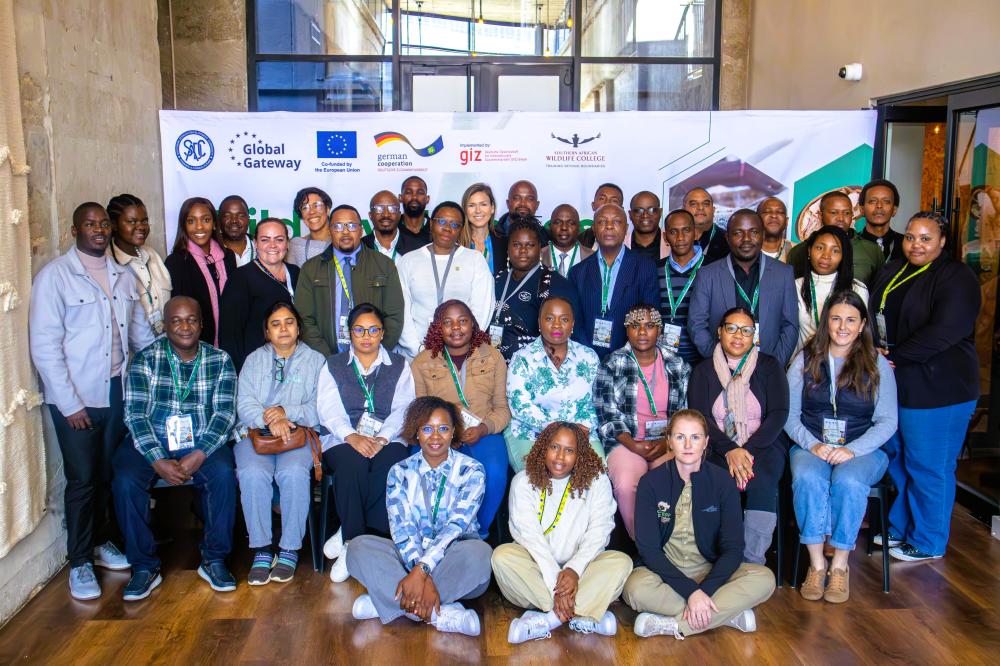
The Southern African Development Community (SADC) Wildlife-Based Economy (WBE) Champions Training brought together 30 government representatives, researchers, community leaders, civil society organisations and private sector practitioners from across the SADC region to strengthen leadership and collaboration for a more inclusive and sustainable wildlife-based economy.
Hosted by the Southern African Wildlife College (SAWC) in collaboration with the African Leadership University – School of Wildlife Conservation (ALU-SOWC) and the African Wildlife Economy Institute (AWEI), Stellenbosch University, this initiative is supported by the German Government and the European Union implemented by Deutsche Gesellschaft für Internationale Zusammenarbeit GmbH (GIZ).
The Southern African Development Community (SADC) Wildlife-Based Economy (WBE) Champions Training brought together 30 government representatives, researchers, community leaders, civil society organisations and private sector practitioners from across the SADC region to strengthen leadership and collaboration for a more inclusive and sustainable wildlife-based economy.
Hosted by the Southern African Wildlife College (SAWC) in collaboration with the African Leadership University – School of Wildlife Conservation (ALU-SOWC) and the African Wildlife Economy Institute (AWEI), Stellenbosch University, this initiative is supported by the German Government and the European Union implemented by Deutsche Gesellschaft für Internationale Zusammenarbeit GmbH (GIZ).
The week-long programme equipped participants with practical knowledge, policy insights and regional perspectives to advance implementation of the SADC Wildlife-Based Economy Strategic Framework (WBESF) while strengthening cross-sectoral collaboration between wildlife, environment, tourism, trade and economic development institutions.
Day 1: The training kicked off with setting the scene for responsible wildlife resource management with opening remarks from the SADC Secretariat, South Africa’s Department of Forestry, Fisheries and the Environment (DFFE), SAWC and GIZ by reinforcing the importance of wildlife-based economies as a driver of conservation and sustainable development across the region.
Training sessions introduced participants to the principles of responsible wildlife resource management, examining sustainable use of wildlife as a natural resource while exploring the current state of the wildlife economy in SADC. Discussions highlighted regional case studies and demonstrated how wildlife enterprises can contribute to livelihoods, biodiversity conservation and economic growth when managed sustainably.
Day 2: The second day focused on strengthening governance and policy frameworks and the governance systems required to enable successful wildlife economies.
Participants explored international and regional policy frameworks, including the Convention on Biological Diversity (CBD), Convention on International Trade in Endangered Species of Wild Fauna and Flora (CITES) and the SADC WBESF, alongside national legislation and community-based natural resource management approaches.
Interactive discussions enabled participants to compare country experiences, identify policy gaps and examine barriers affecting implementation. Through group work and peer learning, participants considered practical approaches to strengthening institutional coordination and improving policy implementation across SADC Member States.
Day 3: Attention shifted towards unlocking wildlife value chains and biodiversity markets through transforming biodiversity into sustainable economic opportunities.
Sessions examined biodiversity valuation, ethical business development, value addition and community benefit-sharing, with particular emphasis on creating opportunities for small and medium enterprises embedded within local communities.
Practical exercises and simulations enabled participants to analyse wildlife value chains, identify opportunities for product diversification and better understand how wildlife resources can generate inclusive economic benefits while maintaining ecological sustainability.
Day 4: Highlighted on advancing cross-border cooperation and regional trade by recognising that wildlife ecosystems extend beyond national borders.
Led by the GIZ Cooperation for Enhancement of SADC Regional Economic Integration (CESARE) Programme, participants discussed international trade rules, the African Continental Free Trade Area (AfCFTA), the SADC Free Trade Area (FTA) and policies governing cross-border trade in wildlife products. Sessions examined sanitary and phytosanitary measures, customs procedures and non-tariff barriers affecting wildlife-based products.
Interactive discussions encouraged participants to identify gaps and practical solutions for improving coordination between wildlife authorities, trade institutions and customs agencies to facilitate sustainable regional trade while safeguarding biodiversity.
Day 5: The final day focused on financing the future of wildlife-based economies through implementation and sustainability.
A Sustainable Finance Bootcamp led by the Sustainable Finance Coalition introduced participants to financing mechanisms that can support wildlife-based enterprises and conservation initiatives. Participants then reflected on lessons learned throughout the week, discussing how knowledge gained could be adapted and applied within their respective countries.
The workshop concluded with discussions on the way forward for implementing the SADC WBESF, reinforcing the importance of continued collaboration, knowledge exchange and regional partnerships.
Through building a regional Community of Practice (CoP) by bringing together diverse expertise from across Southern Africa, the workshop strengthened a growing network of Wildlife-Based Economy Champions committed to promoting sustainable wildlife management, inclusive economic development and regional cooperation.
As SADC Member States continue implementing the WBESF, these champions will play an important role in translating policy into action, encouraging innovation and ensuring that wildlife resources contribute meaningfully to conservation, livelihoods and resilient regional economies.
Day 1: The training kicked off with setting the scene for responsible wildlife resource management with opening remarks from the SADC Secretariat, South Africa’s Department of Forestry, Fisheries and the Environment (DFFE), SAWC and GIZ by reinforcing the importance of wildlife-based economies as a driver of conservation and sustainable development across the region.
Training sessions introduced participants to the principles of responsible wildlife resource management, examining sustainable use of wildlife as a natural resource while exploring the current state of the wildlife economy in SADC. Discussions highlighted regional case studies and demonstrated how wildlife enterprises can contribute to livelihoods, biodiversity conservation and economic growth when managed sustainably.
Day 2: The second day focused on strengthening governance and policy frameworks and the governance systems required to enable successful wildlife economies.
Participants explored international and regional policy frameworks, including the Convention on Biological Diversity (CBD), Convention on International Trade in Endangered Species of Wild Fauna and Flora (CITES) and the SADC WBESF, alongside national legislation and community-based natural resource management approaches.
Interactive discussions enabled participants to compare country experiences, identify policy gaps and examine barriers affecting implementation. Through group work and peer learning, participants considered practical approaches to strengthening institutional coordination and improving policy implementation across SADC Member States.
Day 3: Attention shifted towards unlocking wildlife value chains and biodiversity markets through transforming biodiversity into sustainable economic opportunities.
Sessions examined biodiversity valuation, ethical business development, value addition and community benefit-sharing, with particular emphasis on creating opportunities for small and medium enterprises embedded within local communities.
Practical exercises and simulations enabled participants to analyse wildlife value chains, identify opportunities for product diversification and better understand how wildlife resources can generate inclusive economic benefits while maintaining ecological sustainability.
Day 4: Highlighted on advancing cross-border cooperation and regional trade by recognising that wildlife ecosystems extend beyond national borders.
Led by the GIZ Cooperation for Enhancement of SADC Regional Economic Integration (CESARE) Programme, participants discussed international trade rules, the African Continental Free Trade Area (AfCFTA), the SADC Free Trade Area (FTA) and policies governing cross-border trade in wildlife products. Sessions examined sanitary and phytosanitary measures, customs procedures and non-tariff barriers affecting wildlife-based products.
Interactive discussions encouraged participants to identify gaps and practical solutions for improving coordination between wildlife authorities, trade institutions and customs agencies to facilitate sustainable regional trade while safeguarding biodiversity.
Day 5: The final day focused on financing the future of wildlife-based economies through implementation and sustainability.
A Sustainable Finance Bootcamp led by the Sustainable Finance Coalition introduced participants to financing mechanisms that can support wildlife-based enterprises and conservation initiatives. Participants then reflected on lessons learned throughout the week, discussing how knowledge gained could be adapted and applied within their respective countries.
The workshop concluded with discussions on the way forward for implementing the SADC WBESF, reinforcing the importance of continued collaboration, knowledge exchange and regional partnerships.
Through building a regional Community of Practice (CoP) by bringing together diverse expertise from across Southern Africa, the workshop strengthened a growing network of Wildlife-Based Economy Champions committed to promoting sustainable wildlife management, inclusive economic development and regional cooperation.
As SADC Member States continue implementing the WBESF, these champions will play an important role in translating policy into action, encouraging innovation and ensuring that wildlife resources contribute meaningfully to conservation, livelihoods and resilient regional economies.