
 Translate
News
Communities at the Heart of the Niassa-Selous TFCA: Building a Future for Shared Wildlife Landscape
9 July 2026
Across southern Tanzania and northern Mozambique, wildlife does not recognise national borders. Elephants, predators, and many other species move across the is vast landscape following ancient pathways shaped by seasons, water, and habitat availability. Protecting these movements requires cooperation not only between governments, but also with the communities who live alongside wildlife.
The Community Wildlife Management Area Consortium (CWMAC) is helping to strengthen this cooperation through its work with Wildlife Management Areas (WMAs) in the Ruvuma Landscape, a critical part of the Niassa-Selous Transfrontier Conservation Area (TFCA).
The Ruvuma Landscape is one of Africa’s most important wildlife regions. It was once home to the Selous Game Reserve, historically the continent’s largest protected area. Today, much of this landscape is represented by Nyerere National Park, Tanzania’s largest national park. The wider ecosystem continues across the border into Mozambique, where wildlife movements between countries have been documented through scientific research.
To sustain this ecological connection, countries have developed conservation frameworks that reflect shared political, legal, and cultural realities. Protected areas provide the core habitats, while surrounding conservation areas maintain the corridors and dispersal areas that allow wildlife to move.
In Tanzania, Wildlife Management Areas have become a key part of this approach. These areas enable local communities to participate directly in conservation while creating space for wildlife outside national parks. In the Ruvuma Landscape, five WMAs; Nalika, Chingoli, Mbarang’andu, Kisungule, and Kimbanda cover more than 8,000 square kilometres. Together they form an essential conservation network supporting wildlife populations and seasonal migration routes between Tanzania and Mozambique.
“The ecosystems that we are entrusted with are not defined by political boundaries” - Dr. Wambura, National TFCA Dialogue, Dodoma
Strengthening the Foundations for a Shared Future
Maintaining the integrity of this landscape requires more than protecting wildlife. It requires strong institutions, skilled local leadership, effective governance, and sustainable financing.
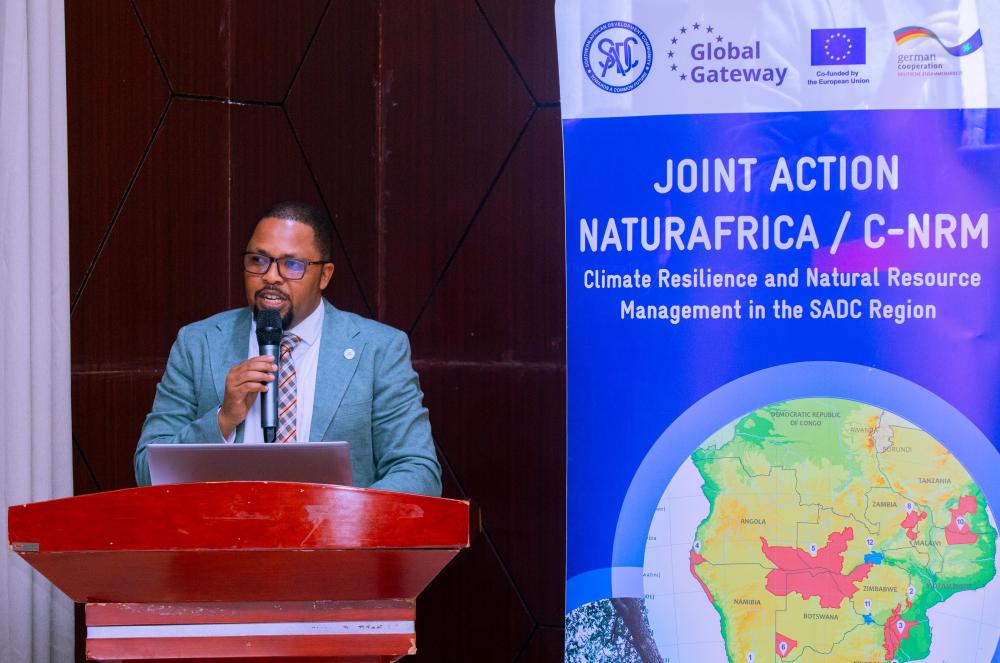
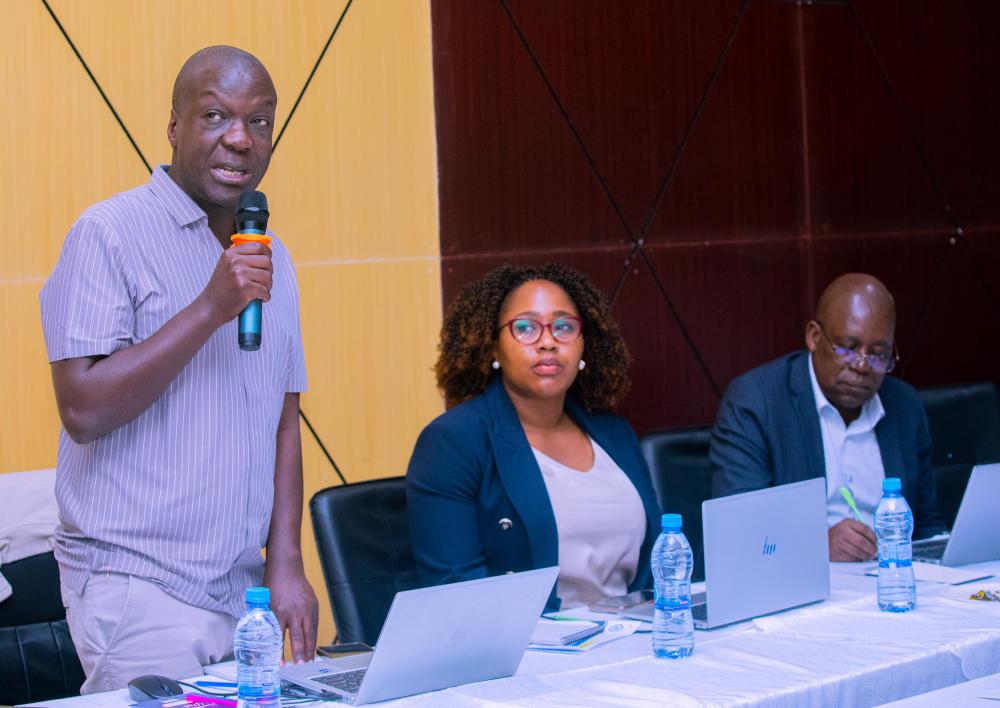
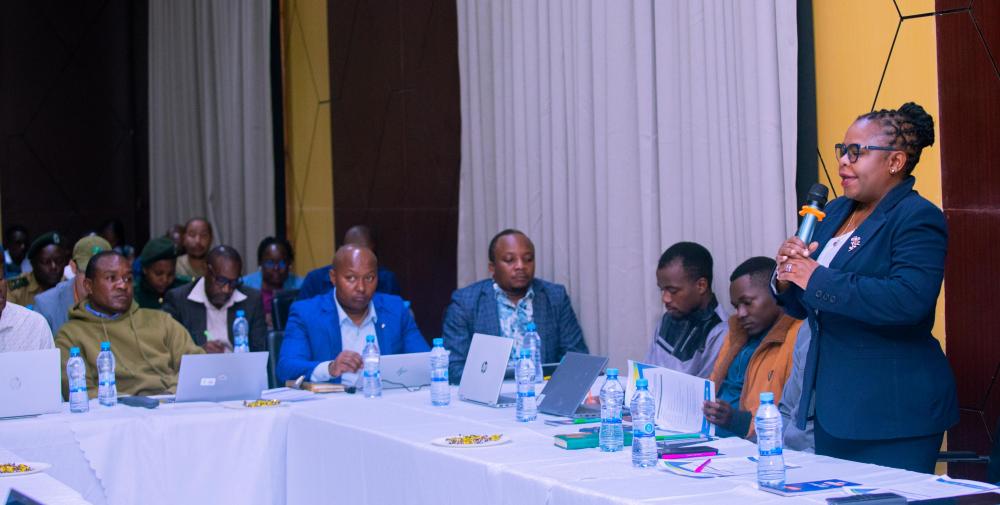
This was the focus of a National Dialogue on TFCAs held on 9–10 June 2026 at Morena Hotel in Dodoma, Tanzania. The meeting brought together representatives from CWMAC, government ministries, international partners, local NGOs, and the five Ruvuma WMAs to discuss how Tanzania can strengthen its role within the Niassa-Selous TFCA.
The dialogue highlighted the opportunities that TFCAs can bring not only for conservation, but also for tourism, education, health, water security, and food systems through mechanisms such as the SADC TFCA Financing Facility.
However, an important challenge emerged. Despite being the second-largest TFCA in the SADC region, the Niassa-Selous TFCA has not yet accessed this regional financing opportunity. Key gaps include the need for stronger coordination structures and improved documentation of Tanzania’s tourism products and ecosystem values. CWMAC has committed to helping to close this gap.
Three Years of Transformation in the Ruvuma WMAs
The Dodoma dialogue builds on three years of practical work on the ground. Through the EU-funded KUWA Project a €1.2 million initiative supporting 12 WMAs, CWMAC has worked to strengthen the five Ruvuma WMAs located within the Niassa-Selous TFCA.
Major achievements include:
• Improved governance: WMA leadership received tailored training on good governance and effective management.
• Stronger administration: WMA Secretaries, Relations Officers, and Accountants were employed to support day-to-day operations.
• Modern management systems: Financial systems such as QuickBooks, improved internet connectivity, and the CWMAC Database were introduced.
•Enhanced protection: Ranger posts were constructed, vehicles procured, and village game scouts employed to strengthen wildlife protection.
• Community enterprise support: Small and Medium Enterprises received support, including €10,000 in direct funding and completed business plans for WMAs.
These investments are helping transform WMAs into stronger conservation institutions capable of managing landscapes, supporting communities, and contributing to regional conservation goals.
New Opportunities for Sustainable Financing
The next chapter is already emerging. Contracts have been signed to launch carbon credit businesses, an innovative financing approach that aims to generate benefits for communities while protecting critical habitats.
At the same time, CWMAC Conservation Officer Mr. Paskali Hambati is completing a ten-month resource mobilisation training programme supported by the German Government and the European Union and led by the Sustainable Finance Coalition, further strengthening CWMAC’s ability to support TFCAs.
The message from Dodoma was clear: the future of the Niassa-Selous TFCA depends on coordinated action, strong community institutions, and investment in the people who safeguard these landscapes every day.
By strengthening WMAs and empowering communities, CWMAC is helping ensure that the Ruvuma Landscape remains a place where wildlife can move freely, and where people and nature can thrive together.
The Ruvuma Landscape is one of Africa’s most important wildlife regions. It was once home to the Selous Game Reserve, historically the continent’s largest protected area. Today, much of this landscape is represented by Nyerere National Park, Tanzania’s largest national park. The wider ecosystem continues across the border into Mozambique, where wildlife movements between countries have been documented through scientific research.
To sustain this ecological connection, countries have developed conservation frameworks that reflect shared political, legal, and cultural realities. Protected areas provide the core habitats, while surrounding conservation areas maintain the corridors and dispersal areas that allow wildlife to move.
In Tanzania, Wildlife Management Areas have become a key part of this approach. These areas enable local communities to participate directly in conservation while creating space for wildlife outside national parks. In the Ruvuma Landscape, five WMAs; Nalika, Chingoli, Mbarang’andu, Kisungule, and Kimbanda cover more than 8,000 square kilometres. Together they form an essential conservation network supporting wildlife populations and seasonal migration routes between Tanzania and Mozambique.
“The ecosystems that we are entrusted with are not defined by political boundaries” - Dr. Wambura, National TFCA Dialogue, Dodoma
Strengthening the Foundations for a Shared Future
Maintaining the integrity of this landscape requires more than protecting wildlife. It requires strong institutions, skilled local leadership, effective governance, and sustainable financing.
This was the focus of a National Dialogue on TFCAs held on 9–10 June 2026 at Morena Hotel in Dodoma, Tanzania. The meeting brought together representatives from CWMAC, government ministries, international partners, local NGOs, and the five Ruvuma WMAs to discuss how Tanzania can strengthen its role within the Niassa-Selous TFCA.
The dialogue highlighted the opportunities that TFCAs can bring not only for conservation, but also for tourism, education, health, water security, and food systems through mechanisms such as the SADC TFCA Financing Facility.
However, an important challenge emerged. Despite being the second-largest TFCA in the SADC region, the Niassa-Selous TFCA has not yet accessed this regional financing opportunity. Key gaps include the need for stronger coordination structures and improved documentation of Tanzania’s tourism products and ecosystem values. CWMAC has committed to helping to close this gap.
Three Years of Transformation in the Ruvuma WMAs
The Dodoma dialogue builds on three years of practical work on the ground. Through the EU-funded KUWA Project a €1.2 million initiative supporting 12 WMAs, CWMAC has worked to strengthen the five Ruvuma WMAs located within the Niassa-Selous TFCA.
Major achievements include:
• Improved governance: WMA leadership received tailored training on good governance and effective management.
• Stronger administration: WMA Secretaries, Relations Officers, and Accountants were employed to support day-to-day operations.
• Modern management systems: Financial systems such as QuickBooks, improved internet connectivity, and the CWMAC Database were introduced.
•Enhanced protection: Ranger posts were constructed, vehicles procured, and village game scouts employed to strengthen wildlife protection.
• Community enterprise support: Small and Medium Enterprises received support, including €10,000 in direct funding and completed business plans for WMAs.
These investments are helping transform WMAs into stronger conservation institutions capable of managing landscapes, supporting communities, and contributing to regional conservation goals.
New Opportunities for Sustainable Financing
The next chapter is already emerging. Contracts have been signed to launch carbon credit businesses, an innovative financing approach that aims to generate benefits for communities while protecting critical habitats.
At the same time, CWMAC Conservation Officer Mr. Paskali Hambati is completing a ten-month resource mobilisation training programme supported by the German Government and the European Union and led by the Sustainable Finance Coalition, further strengthening CWMAC’s ability to support TFCAs.
The message from Dodoma was clear: the future of the Niassa-Selous TFCA depends on coordinated action, strong community institutions, and investment in the people who safeguard these landscapes every day.
By strengthening WMAs and empowering communities, CWMAC is helping ensure that the Ruvuma Landscape remains a place where wildlife can move freely, and where people and nature can thrive together.