
 Translate
News
Investments In Conservation and Community Development Are Delivering Impact
8 July 2026
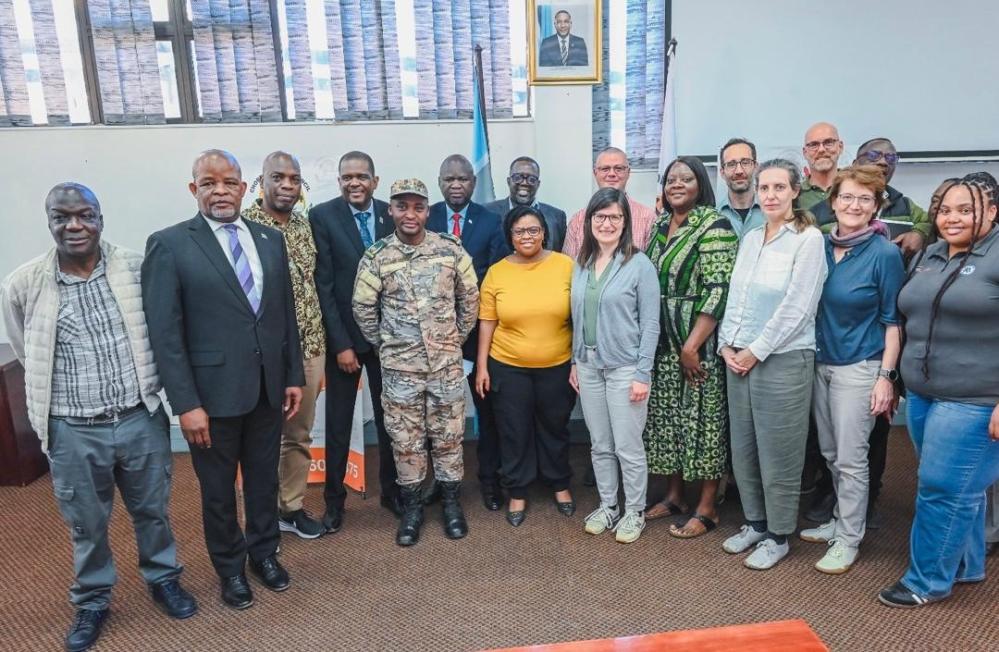
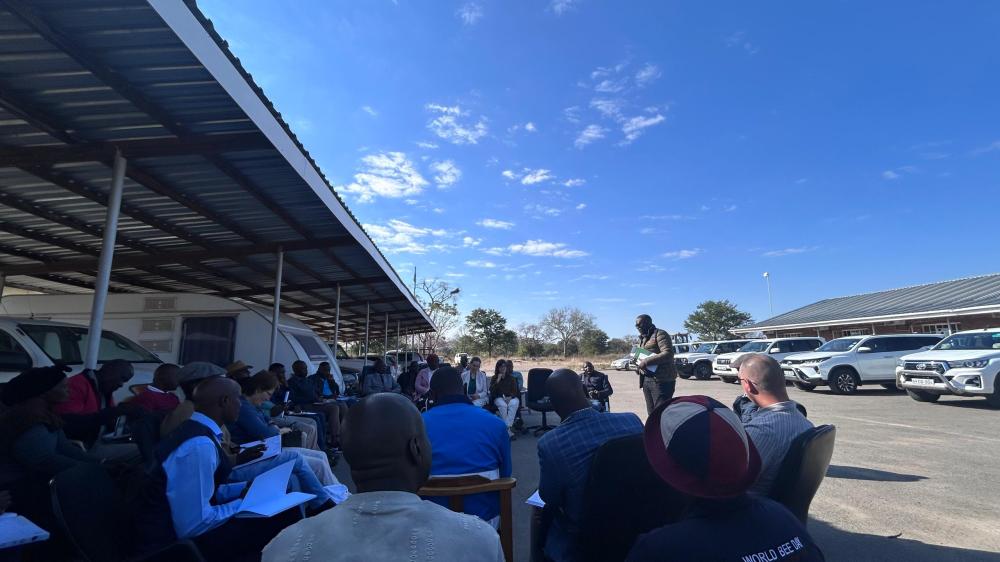
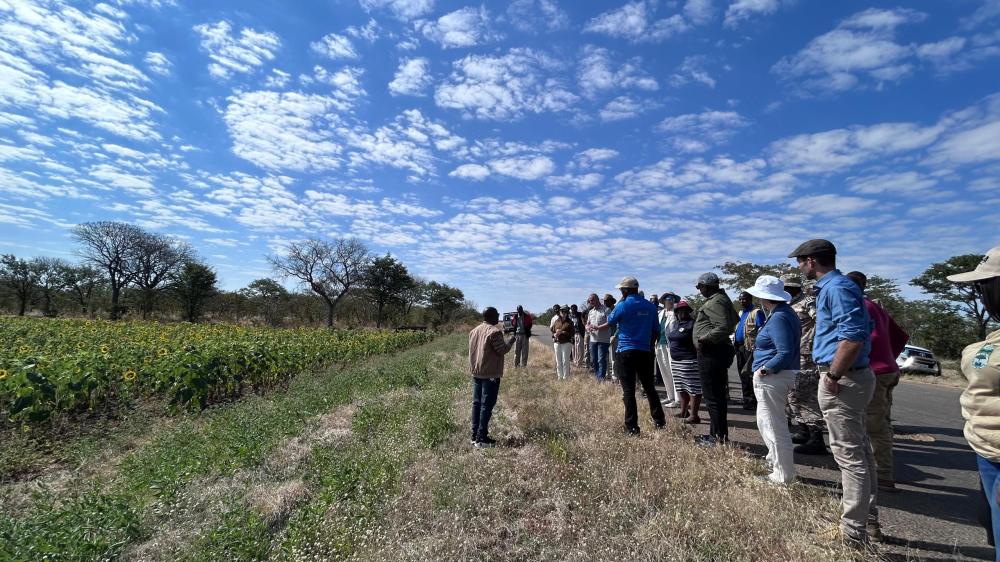
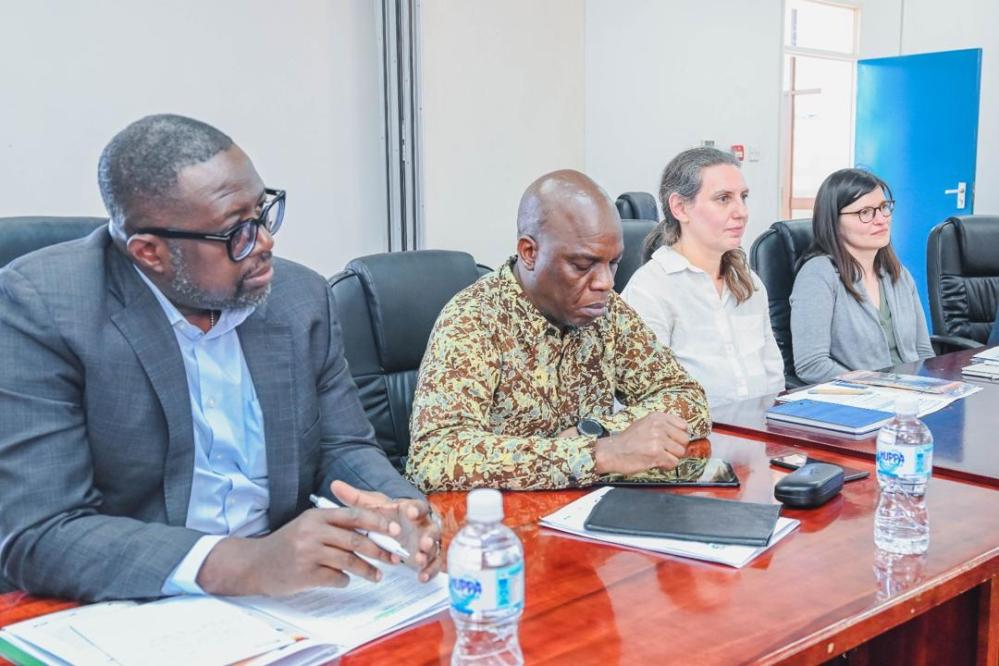
Kasane, Botswana – Through its continued investment in regional cooperation, biodiversity conservation, and community development, the German Government is helping to strengthen one of Africa's most important transboundary conservation landscapes, the Kavango-Zambezi Transfrontier Conservation Area (KAZA TFCA).
During a recent field visit to Kasane and the Chobe District, representatives of the German Government, together with the Department of Wildlife and National Parks (DWNP) of Botswana, local authorities, community representatives, the SADC Secretariat, and the KAZA TFCA Secretariat, witnessed firsthand how the gears of international cooperation work together to allow nature conservation and local community development in the Kavango-Zambezi Transfrontier Conservation Area (KAZA TFCA).
The visit began with engagements with the Chobe District Administration. Where discussions focused on local development priorities, protected area management and human-wildlife coexistence. At the DWNP Anti-Poaching Unit K-9 Facility, the delegation observed how German Government support contributes to enhancing wildlife protection, law enforcement capacity, and contribute to safeguarding one of Africa's most important transboundary landscapes.
In Pandamatenga, farmers, local leaders, and government authorities shared both the challenges and opportunities of living alongside wildlife. Planned coexistence measures including the installation of electric fences to reduce crop damage caused by wildlife, aim to improve food security and protect rural livelihoods while maintaining the ecological connectivity that allows wildlife to move freely across the KAZA TFCA landscape.
The delegation also visited the Chobe Enclave Conservation Trust (CECT) in Kavimba, where locally generated income from tourism is used for community-led conservation projects, livelihoods, and tourism development. This is demonstrating the value of local participation in natural resource management.
A concluding boat cruise along the Chobe River showcased the importance of regional cooperation conserving shared ecosystems. The delegation learned about collaborative law enforcement efforts such as the Kwando-Linyanti-Chobe River Transboundary Tourism Code of Conduct, developed by Botswana and Namibia through the KAZA TFCA. These efforts highlight the shared responsibility of neighbouring countries in managing wildlife and ecosystems that extend beyond national borders.
Through its partnership with SADC Member States and regional institutions, the German Government supports initiatives that strengthen protected area management, improved community livelihoods, promote human-wildlife coexistence, and advanced sustainable land-use planning.
The field visit reaffirmed that German Government support is helping translate regional cooperation into practical action on the ground through protecting biodiversity, strengthening local communities, fostering cross-border partnerships, and contributing to a more sustainable future for people and nature across Southern Africa.
The visit began with engagements with the Chobe District Administration. Where discussions focused on local development priorities, protected area management and human-wildlife coexistence. At the DWNP Anti-Poaching Unit K-9 Facility, the delegation observed how German Government support contributes to enhancing wildlife protection, law enforcement capacity, and contribute to safeguarding one of Africa's most important transboundary landscapes.
In Pandamatenga, farmers, local leaders, and government authorities shared both the challenges and opportunities of living alongside wildlife. Planned coexistence measures including the installation of electric fences to reduce crop damage caused by wildlife, aim to improve food security and protect rural livelihoods while maintaining the ecological connectivity that allows wildlife to move freely across the KAZA TFCA landscape.
The delegation also visited the Chobe Enclave Conservation Trust (CECT) in Kavimba, where locally generated income from tourism is used for community-led conservation projects, livelihoods, and tourism development. This is demonstrating the value of local participation in natural resource management.
A concluding boat cruise along the Chobe River showcased the importance of regional cooperation conserving shared ecosystems. The delegation learned about collaborative law enforcement efforts such as the Kwando-Linyanti-Chobe River Transboundary Tourism Code of Conduct, developed by Botswana and Namibia through the KAZA TFCA. These efforts highlight the shared responsibility of neighbouring countries in managing wildlife and ecosystems that extend beyond national borders.
Through its partnership with SADC Member States and regional institutions, the German Government supports initiatives that strengthen protected area management, improved community livelihoods, promote human-wildlife coexistence, and advanced sustainable land-use planning.
The field visit reaffirmed that German Government support is helping translate regional cooperation into practical action on the ground through protecting biodiversity, strengthening local communities, fostering cross-border partnerships, and contributing to a more sustainable future for people and nature across Southern Africa.