
 Translate
News
National TFCA Dialogue Strengthens Tanzania’s Conservation Efforts
9 July 2026
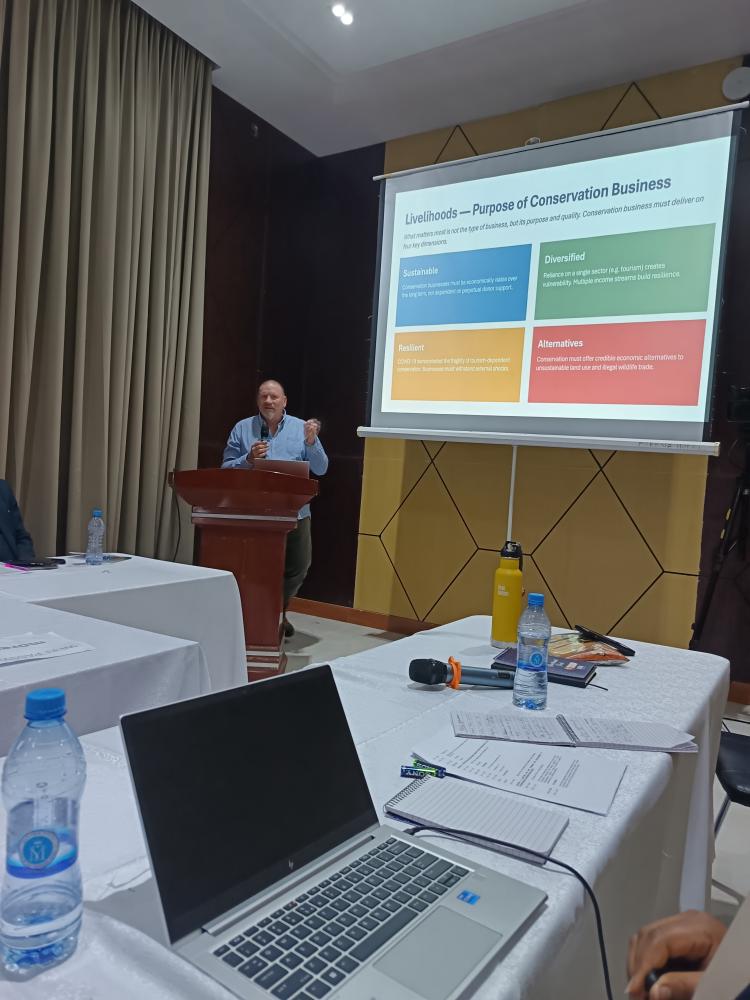
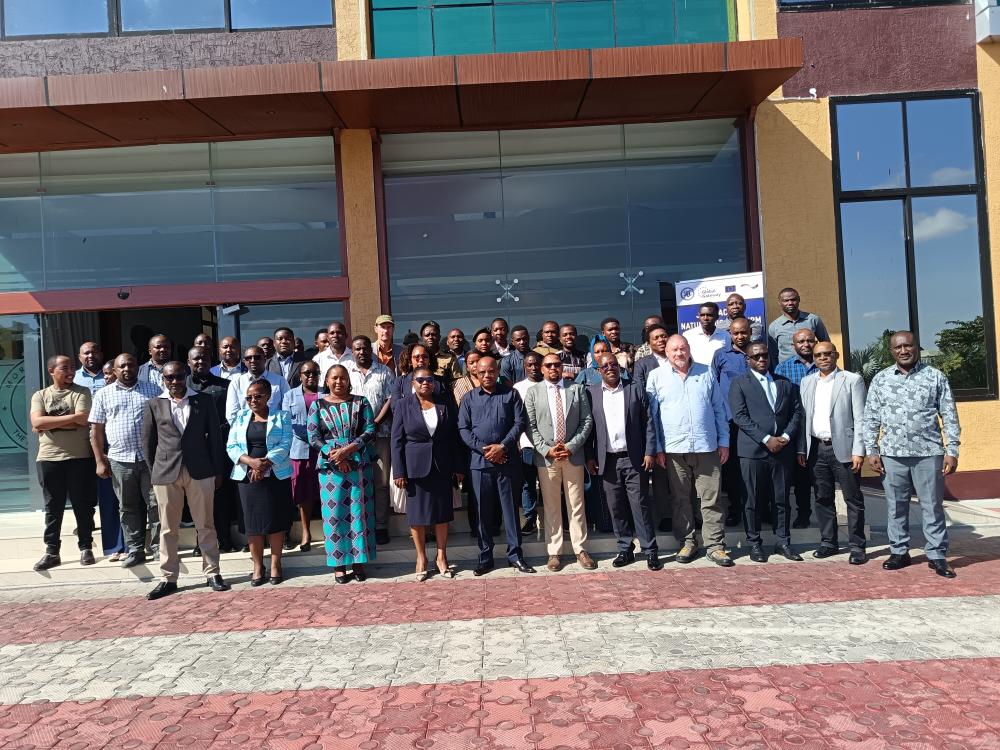
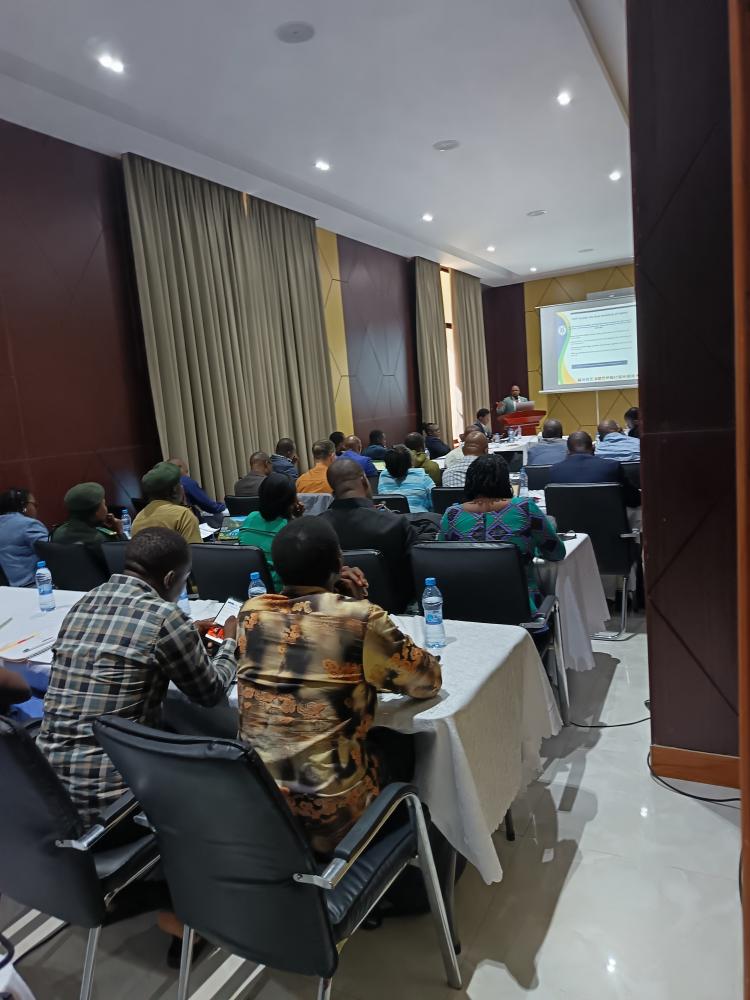
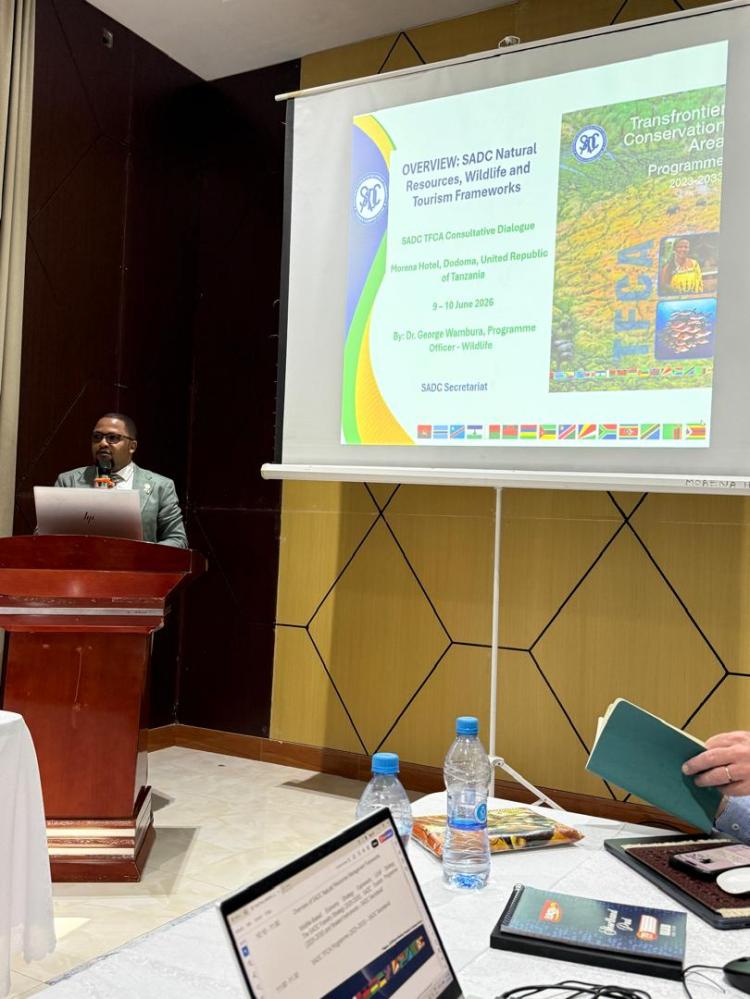
The Southern African Development Community (SADC) Food, Agriculture and Natural Resources (FANR) Directorate is, through the support from the German Government and the European Union implemented by Deutsche Gesellschaft für Internationale Zusammenarbeit (GIZ) are organising National Dialogues aimed at raising awareness on the SADC TFCA Programme and the various natural resources management and tourism related policies and frameworks that were recently approved by the joint committee of Ministers responsible for natural resources and tourism. On 9-10 June 2026, SADC organised the national dialogue for Tanzania in Dodoma, with representatives from key government ministries, civil society and international cooperating partners in attendance.
In its opening remarks, the SADC Secretariat underscored the strategic relevance of the TFCA Programme to regional integration, peace and security, sustainable tourism and community livelihoods, and highlighted the following as the key objectives, among others, of the dialogue:
• Raising awareness and strengthening stakeholder understanding of the SADC TFCA Programme (2023-2033) and related natural resources management frameworks;
• Enhancing national ownership of TFCA implementation in Tanzania, including the Niassa Selous TFCA;
• Identifying priority actions and opportunities for joint resource mobilization to strengthen Tanzania's participation in TFCAs;
• Soliciting national perspectives on the status and future development of transboundary conservation initiatives in Tanzania; and
• Concluding the dialogue with a national roadmap and agreed recommendations for strengthening the Niassa Selous TFCA and related transboundary conservation initiatives (see below).
In his official opening remarks, the Director of Wildlife, Dr. Alexander Lobora, underscored Tanzania's commitment to transboundary conservation within the country's long-standing conservation philosophy, tracing it back to the 1961 Arusha Manifesto of the Honourable Mwalimu Julius Kambarage Nyerere, and noted that Tanzania has committed more than one-third of its land area to conservation. He, however, cautioned that, despite this high level of commitment, Tanzania and the region cannot afford to be complacent in the face of ever-increasing levels of wildlife crime, climate change, habitat fragmentation and rising human-wildlife conflict. He called for stronger collaboration, innovative and sustainable financing, and trust between neighbouring states.
The SADC secretariat also gave an overview of the various natural resources management frameworks that were developed and approved by the Ministers over the last couple of years. These frameworks included the biodiversity, Forestry, LEAP, and the Wildlife-based economy as well as the Tourism and TFCA programmes. On the other hand, presentations by GIZ were focused on enhancing stakeholders' understanding of what TFCAs are as well as their overall goals and objectives. The presentations highlighted, among other aspects, the history and origins of TFCAs, the value of TFCAs and the governance arrangements and the roles of different stakeholders in the successful implementation of TFCAs.
The greater part of the second day of the dialogue was dedicated to understanding Tanzania's experiences and challenges with the management of their TFCA, which currently is limited to the Niassa-Selous TFCA with Mozambique.
In addition to the usual challenges with the implementation and effective management of TFCAs, which include limited financial resources which means TFCAs like Niassa-Selous operate without any coordination structure or arrangement, meaningful contributions to enhanced and sustainable community benefits and livelihoods, climate change related and induced challenges, among others, Tanzanian colleagues felt that their TFCA, Niassa-Selous, is seemingly not prioritised in most support arrangements through SADC. They highlighted these to include; not being prioritised for any support with tourism development including not being part of the UNIVISA pilot project; not being prioritised for TFCA under the innovative finance solutions initiative. Tanzania also raised concerns about their other TFCAs not being recognised as SADC TFCAs because they involve non-SADC member states, something which they listed as a real stumbling block for their potential involvement in engaging in discussions for the establishment of Marine TFCAs, a directive which was clearly stated in May 2025, at the TFCA International Conference and Summit, in Harare.
In conclusion the SADC Secretariat committed itself to work with Tanzania in addressing the key challenges they are facing including mobilizing other international cooperating partners' support. WWF, the Frankfurt Zoological Society (FZS) as well the GIZ Tanzania office which is already working with Tanzania on a Human-wildlife coexistence programme, among others already committed themselves to support Tanzania with the implementation and effective management of its TFCAs. WWF specifically promised to provide some support with the coordination arrangements for Niassa-Selous TFCA, while FZS and the Wildlife Conservation Society confirmed their interest in supporting Tanzania with the establishment of the TFCA with Zambia. While the meeting with Zambia which had originally been scheduled to take place on 11 June 2026, back-to-back with the dialogue, could not take place because Zambian colleagues had other commitments, the meeting agreed that this meeting was a high priority and requested SADC and GIZ to facilitate that meeting to take place before the SADC TFCA Network Annual Meeting in November 2026.
A Tanzania-Zambia bilateral technical meeting to advance discussions toward a Tanzania-Zambia TFCA was subsequently targeted, through the national roadmap agreed at the dialogue, for July 2026, ahead of the SADC TFCA Network Annual Meeting.
Beyond these immediate commitments, the dialogue concluded with the provisional adoption of a national roadmap setting out agreed actions, responsible entities and timelines for strengthening Tanzania's engagement in TFCAs. A central item is the draft ten-year Master Integrated Development Plan (MIDP) for the Niassa-Selous TFCA, already validated at a high-level Tanzania-Mozambique meeting and targeted for bilateral ministerial signature in October 2026.
• Raising awareness and strengthening stakeholder understanding of the SADC TFCA Programme (2023-2033) and related natural resources management frameworks;
• Enhancing national ownership of TFCA implementation in Tanzania, including the Niassa Selous TFCA;
• Identifying priority actions and opportunities for joint resource mobilization to strengthen Tanzania's participation in TFCAs;
• Soliciting national perspectives on the status and future development of transboundary conservation initiatives in Tanzania; and
• Concluding the dialogue with a national roadmap and agreed recommendations for strengthening the Niassa Selous TFCA and related transboundary conservation initiatives (see below).
In his official opening remarks, the Director of Wildlife, Dr. Alexander Lobora, underscored Tanzania's commitment to transboundary conservation within the country's long-standing conservation philosophy, tracing it back to the 1961 Arusha Manifesto of the Honourable Mwalimu Julius Kambarage Nyerere, and noted that Tanzania has committed more than one-third of its land area to conservation. He, however, cautioned that, despite this high level of commitment, Tanzania and the region cannot afford to be complacent in the face of ever-increasing levels of wildlife crime, climate change, habitat fragmentation and rising human-wildlife conflict. He called for stronger collaboration, innovative and sustainable financing, and trust between neighbouring states.
The SADC secretariat also gave an overview of the various natural resources management frameworks that were developed and approved by the Ministers over the last couple of years. These frameworks included the biodiversity, Forestry, LEAP, and the Wildlife-based economy as well as the Tourism and TFCA programmes. On the other hand, presentations by GIZ were focused on enhancing stakeholders' understanding of what TFCAs are as well as their overall goals and objectives. The presentations highlighted, among other aspects, the history and origins of TFCAs, the value of TFCAs and the governance arrangements and the roles of different stakeholders in the successful implementation of TFCAs.
The greater part of the second day of the dialogue was dedicated to understanding Tanzania's experiences and challenges with the management of their TFCA, which currently is limited to the Niassa-Selous TFCA with Mozambique.
In addition to the usual challenges with the implementation and effective management of TFCAs, which include limited financial resources which means TFCAs like Niassa-Selous operate without any coordination structure or arrangement, meaningful contributions to enhanced and sustainable community benefits and livelihoods, climate change related and induced challenges, among others, Tanzanian colleagues felt that their TFCA, Niassa-Selous, is seemingly not prioritised in most support arrangements through SADC. They highlighted these to include; not being prioritised for any support with tourism development including not being part of the UNIVISA pilot project; not being prioritised for TFCA under the innovative finance solutions initiative. Tanzania also raised concerns about their other TFCAs not being recognised as SADC TFCAs because they involve non-SADC member states, something which they listed as a real stumbling block for their potential involvement in engaging in discussions for the establishment of Marine TFCAs, a directive which was clearly stated in May 2025, at the TFCA International Conference and Summit, in Harare.
In conclusion the SADC Secretariat committed itself to work with Tanzania in addressing the key challenges they are facing including mobilizing other international cooperating partners' support. WWF, the Frankfurt Zoological Society (FZS) as well the GIZ Tanzania office which is already working with Tanzania on a Human-wildlife coexistence programme, among others already committed themselves to support Tanzania with the implementation and effective management of its TFCAs. WWF specifically promised to provide some support with the coordination arrangements for Niassa-Selous TFCA, while FZS and the Wildlife Conservation Society confirmed their interest in supporting Tanzania with the establishment of the TFCA with Zambia. While the meeting with Zambia which had originally been scheduled to take place on 11 June 2026, back-to-back with the dialogue, could not take place because Zambian colleagues had other commitments, the meeting agreed that this meeting was a high priority and requested SADC and GIZ to facilitate that meeting to take place before the SADC TFCA Network Annual Meeting in November 2026.
A Tanzania-Zambia bilateral technical meeting to advance discussions toward a Tanzania-Zambia TFCA was subsequently targeted, through the national roadmap agreed at the dialogue, for July 2026, ahead of the SADC TFCA Network Annual Meeting.
Beyond these immediate commitments, the dialogue concluded with the provisional adoption of a national roadmap setting out agreed actions, responsible entities and timelines for strengthening Tanzania's engagement in TFCAs. A central item is the draft ten-year Master Integrated Development Plan (MIDP) for the Niassa-Selous TFCA, already validated at a high-level Tanzania-Mozambique meeting and targeted for bilateral ministerial signature in October 2026.