
 Translate
News
New Hwange One Stop Access Pavilion set to Boost Tourism and Conservation in KAZA TFCA
20 November 2025
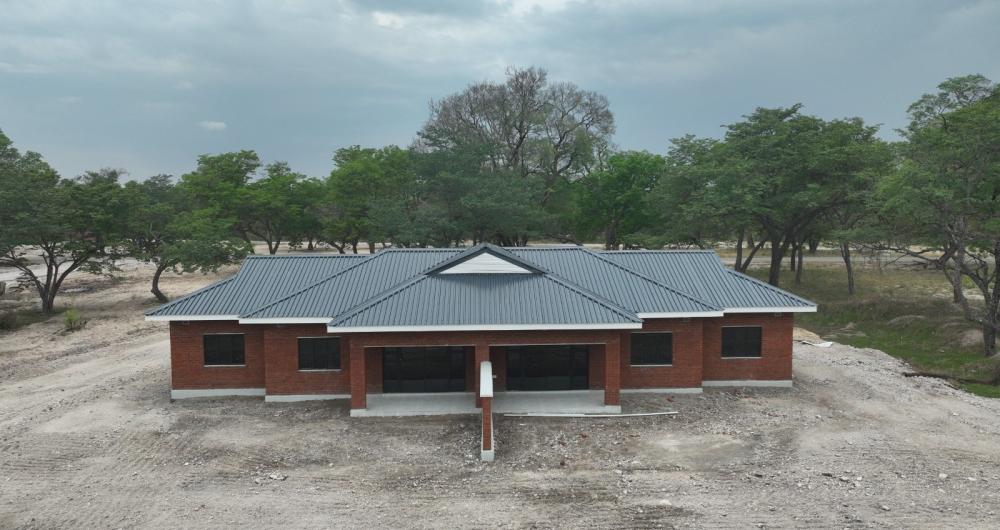
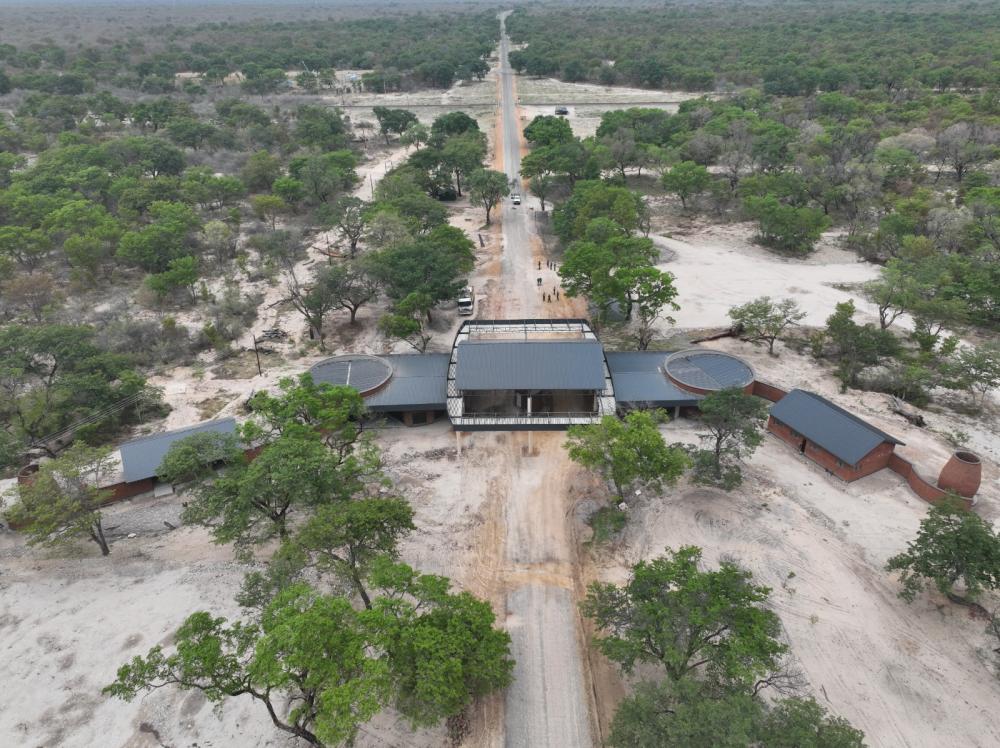
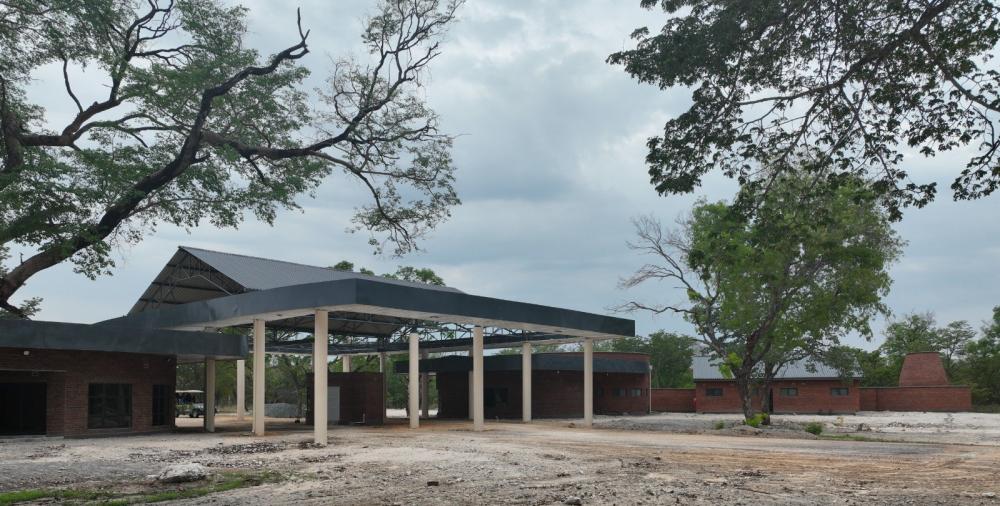
A new US$1.4 million multi-purpose entrance gate and tourism complex has been completed at Hwange National Park, marking a significant milestone in efforts to position Zimbabwe and the wider Kavango Zambezi Transfrontier Conservation Area (KAZA TFCA) as a leading nature-based tourism destination.
Strategically positioned at the heart of this biodiversity conservation initiative, home to the world’s largest contiguous elephant population estimated at 220,000, stands Hwange National Park, Zimbabwe’s oldest national park – a living example of conservation success and a heartbeat of KAZA TFCA’s tourism vision.
Strategically positioned at the heart of this biodiversity conservation initiative, home to the world’s largest contiguous elephant population estimated at 220,000, stands Hwange National Park, Zimbabwe’s oldest national park – a living example of conservation success and a heartbeat of KAZA TFCA’s tourism vision.
Developed through a long-term partnership between Zimbabwe Parks and Wildlife Management Authority (ZimParks) and IFAW (International Fund for Animal Welfare), the new facility will enhance the visitor experience and strengthens Hwange’s role as the tourism hub in the 520,000 km² KAZA landscape, spanning Angola, Botswana, Namibia, Zambia, and Zimbabwe.
The modern complex includes an entrance gate, administrative offices, exhibition and cultural centres, curio shops, staff housing, and visitor facilities. Equipped with an integrated ticketing system and state-of-the-art surveillance cameras, it will help streamline park operations, improve transparency in revenue collection, and bolster anti-trafficking and security measures.
Tourism arrivals at Hwange have begun to recover strongly: after the pandemic dip, entries exceeded 30,000 in 2022 pre-pandemic annual numbers were higher; for reference, 2015 entries to the park were estimated around 60,000.
The inclusion of community-run curio shops ensures that local artisans can benefit directly from tourism. When communities earn income from conservation-linked tourism, they become active stewards of the landscapes and wildlife around them.
Aligned with KAZA TFCA’s Rivers of Life brand launched in 2024 to promote the region as a world-class tourism destination, the Hwange Tourism Complex represents a new standard for integrated, sustainable tourism infrastructure in Southern Africa.
By combining tourism, conservation, and community benefits, the project supports IFAW’s Room to Roam vision creating well-managed, economically viable landscapes that allow people and wildlife to thrive together across borders.
For more information, contact Safuli Luckmore on lsafuli@ifaw.org
The modern complex includes an entrance gate, administrative offices, exhibition and cultural centres, curio shops, staff housing, and visitor facilities. Equipped with an integrated ticketing system and state-of-the-art surveillance cameras, it will help streamline park operations, improve transparency in revenue collection, and bolster anti-trafficking and security measures.
Tourism arrivals at Hwange have begun to recover strongly: after the pandemic dip, entries exceeded 30,000 in 2022 pre-pandemic annual numbers were higher; for reference, 2015 entries to the park were estimated around 60,000.
The inclusion of community-run curio shops ensures that local artisans can benefit directly from tourism. When communities earn income from conservation-linked tourism, they become active stewards of the landscapes and wildlife around them.
Aligned with KAZA TFCA’s Rivers of Life brand launched in 2024 to promote the region as a world-class tourism destination, the Hwange Tourism Complex represents a new standard for integrated, sustainable tourism infrastructure in Southern Africa.
By combining tourism, conservation, and community benefits, the project supports IFAW’s Room to Roam vision creating well-managed, economically viable landscapes that allow people and wildlife to thrive together across borders.
For more information, contact Safuli Luckmore on lsafuli@ifaw.org