
 Translate
News
Reading the Malawi-Zambia landscape through Soil and Water
23 November 2026
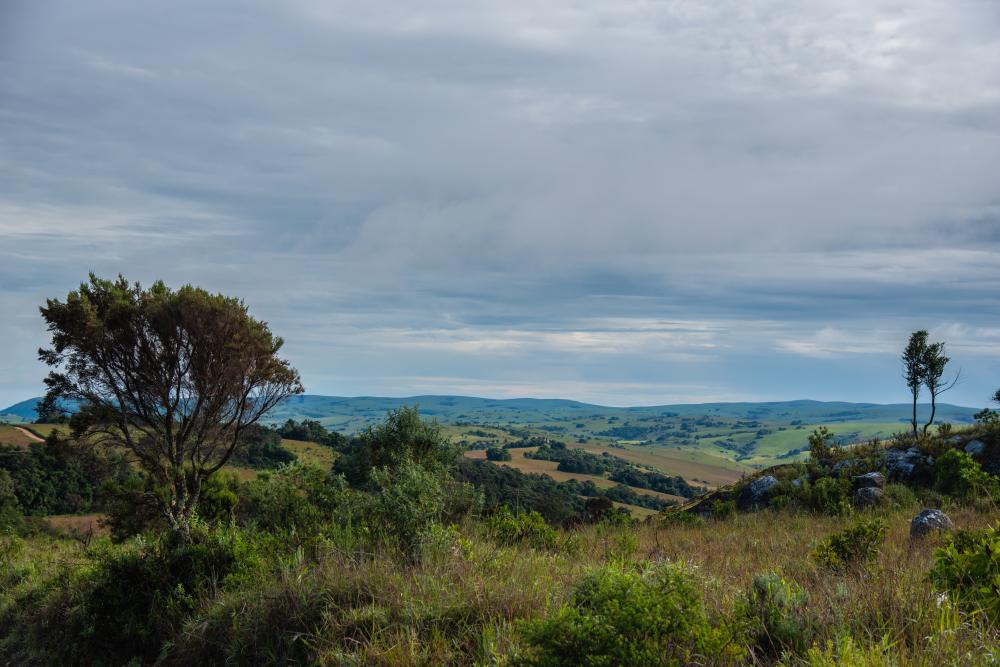
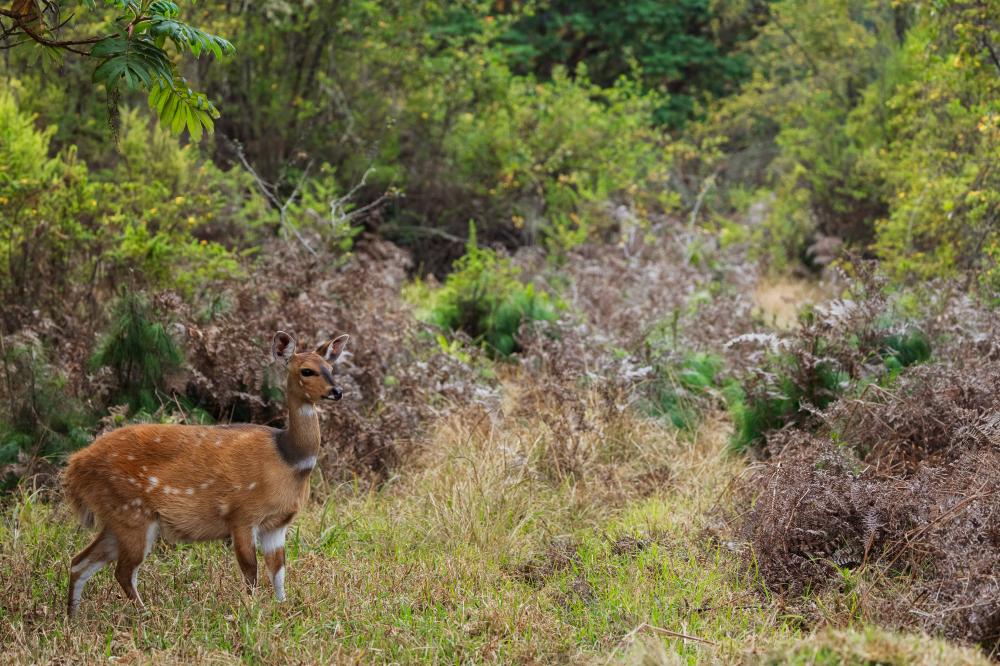
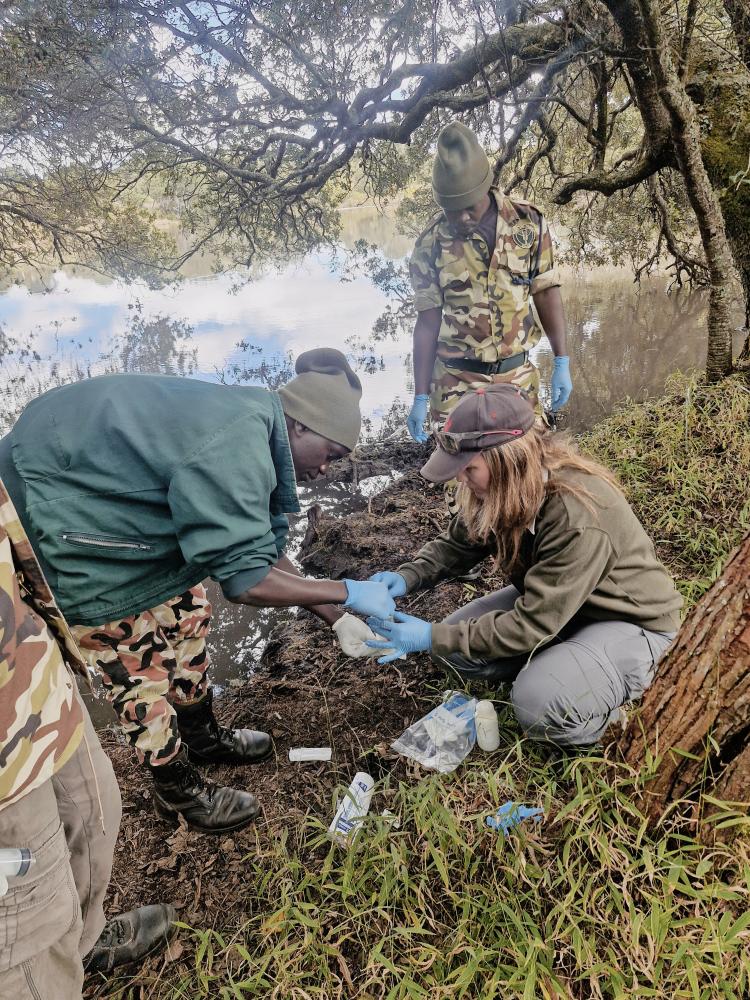
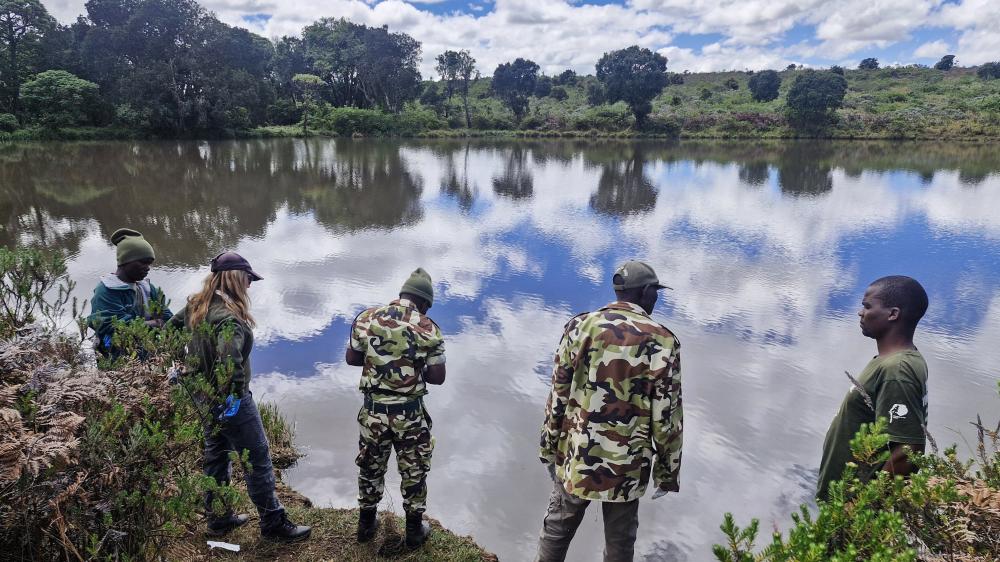
An environmental DNA sampling of the soil and water from across the Nyika National Park and Vwaza Marsh Wildlife Reserve is currently being analysed. This is expected to provide a stronger biodiversity baseline for helping managers understand patterns across habitats, identify monitoring priorities and track ecological change over time.
The Malawi-Zambia Transfrontier Conservation Area links protected areas and ecosystems across the two countries, creating a connected landscape in which water, wildlife and ecological processes extend beyond national boundaries. Within it, Nyika National Park and Vwaza Marsh Wildlife Reserve form an important ecological anchor on the Malawian side, encompassing montane grasslands, miombo woodland and critical water catchments that contribute an estimated 10% of the annual freshwater flowing into Lake Malawi.
In the first quarter 2026 the Endangered Wildlife Trust carried out the environmental DNA sampling, with funding from the Deutsche Postcode Lotterie through Peace Parks Foundation. By analysing traces of the genetic material that organisms naturally leave behind in water and soil, researchers can detect species that can be difficult to record through conventional wildlife surveys.
This is particularly relevant in a transfrontier conservation area where effective management depends on understanding landscapes as connected systems rather than isolated protected areas.
Importantly, the project is also strengthening local capacity. Staff from the Nyika-Vwaza Co-management Trust were trained in sampling techniques so that environmental DNA monitoring can be repeated in future.
The Trust provides the long-term management structure for Nyika National Park and Vwaza Marsh Wildlife Reserve, bringing government, communities and partners into a shared system of responsibility.
As results become available, the findings should add another layer of evidence to conservation planning within Nyika-Vwaza and contribute to a better understanding of biodiversity within the wider Malawi–Zambia Transfrontier Conservation Area.
Read more about Peace Parks Foundation’s work in the Malawi–Zambia Transfrontier Conservation Area on the Peace Parks website below.