
 Translate
News
Where the River Draws the Line Between Wild and Forgotten
24 June 2026
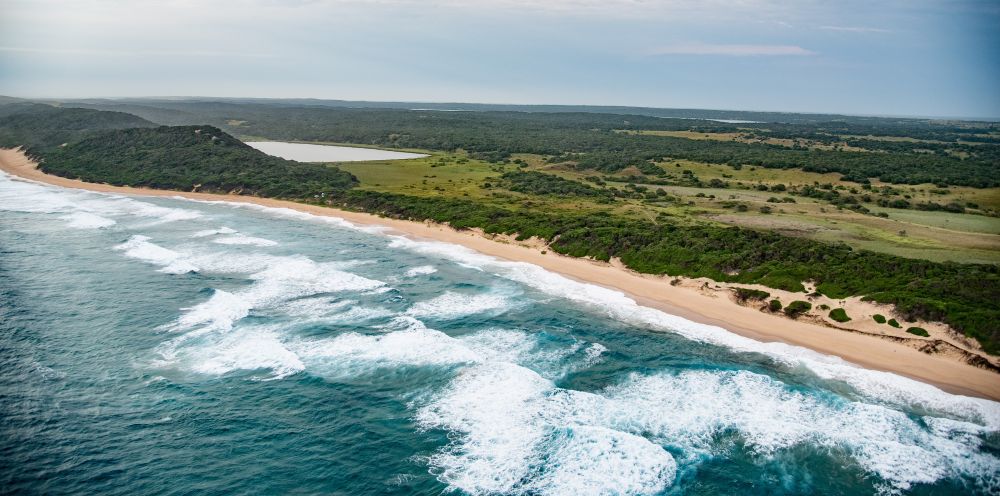
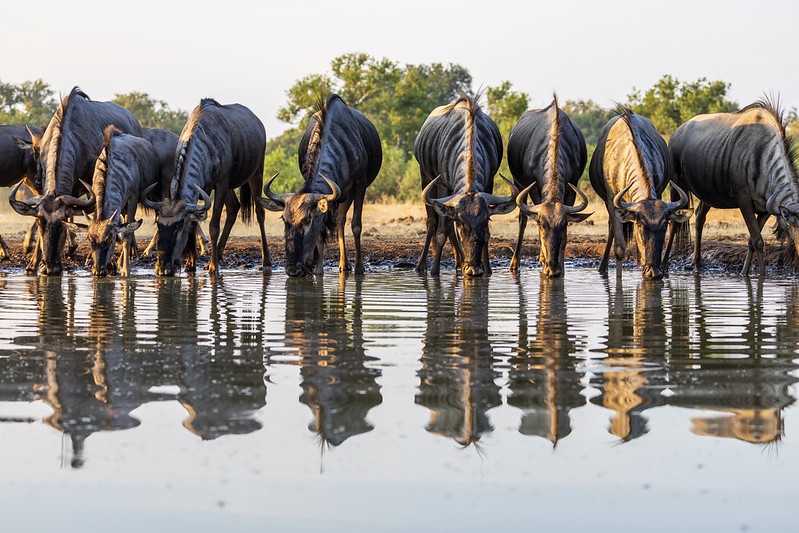
A journey through the Lower Zambezi–Mana Pools Transfrontier Conservation Area
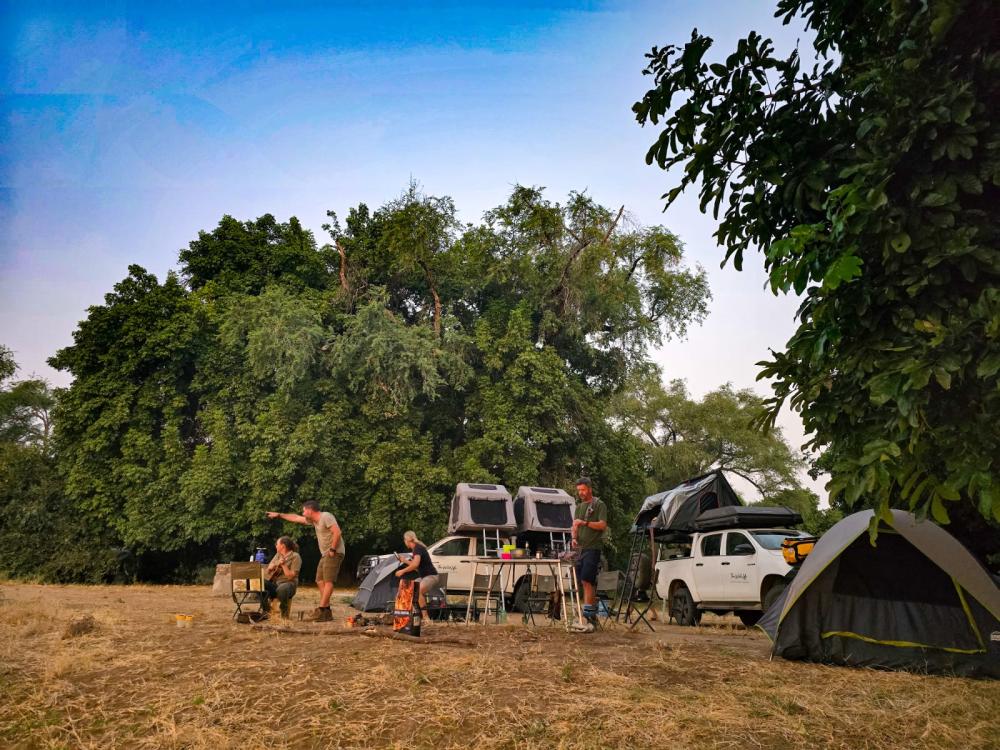
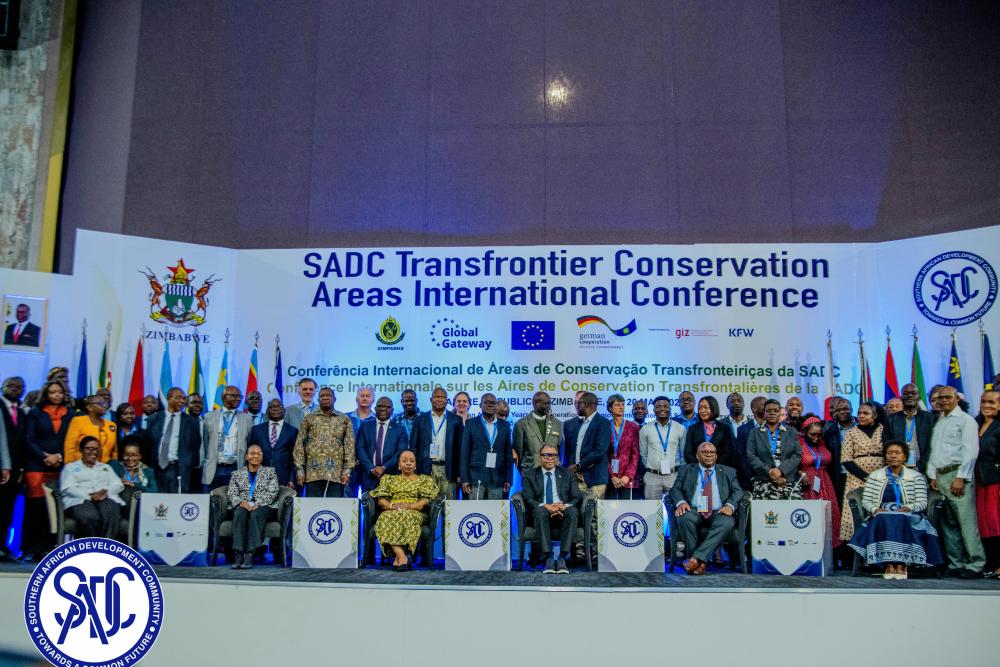
Boundless Southern Africa recently hosted an international media delegation through the extraordinary Lower Zambezi-Mana Pools Transfrontier Conservation Area (TFCA), a journey that crossed two nations, traced the arc of a great river, and told a story that the world urgently needs to hear. What follows is not simply an itinerary. It is a portrait of a landscape at a turning point, and of the people who have chosen to protect and restore it.
Boundless Southern Africa recently hosted an international media delegation through the extraordinary Lower Zambezi-Mana Pools Transfrontier Conservation Area (TFCA), a journey that crossed two nations, traced the arc of a great river, and told a story that the world urgently needs to hear. What follows is not simply an itinerary. It is a portrait of a landscape at a turning point, and of the people who have chosen to protect and restore it.
Our expedition began in Lusaka, at the gracious Pioneer Lodge, before heading east and south through the Zambian countryside toward a place most travellers have never heard of.
Mpanshya: Where the Community Chose the Wild
The road to Mpanshya Camp and Trails winds through the Flamponje Community Forest Area, deep in the Rufunsa Game Management Area that buffers the TFCA's northern reaches. This land was once earmarked for mining. Extraction, not conservation. Industry, not community. The future was being written without asking the people who lived here. Then something shifted.
With support and encouragement to reimagine their landscape as a tourism asset, the community chose differently. They built Mpanshya: a community-owned eco-campsite that is also the anchor of a holistic grazing programme and a communal cattle herd. The land is still wild. The wildlife is returning. And the people who live here are the custodians and the beneficiaries of that wildness.
Conservation is not a gift given to communities from the outside. It is a choice that communities make for themselves, when given the tools, the support, and the economic alternatives to make it viable. At Mpanshya, they made that choice. The bush around them is the proof.
Into the Corridor: The Luangwa to the Zambezi
The convoy moved south, tracking the Luangwa River through a corridor that connects the Zambia-Zimbabwe-Mozambique TFCA to the east with the Lower Zambezi to the west, a living, breathing wildlife highway. The landscape grew wilder, broader, more ancient-feeling with every kilometre.
At the Zambezi, the group split, with half settling in at Kingfisher Lodge and the other at Galamuka Lodge, both accessible only by boat, both perched on the river's edge where the borders of Zambia and Zimbabwe dissolve into a single body of water. These are places built for the deep pleasures of river life: tiger fishing in the early mornings, wildlife watching from the slow drift of a boat, sunsets as the hippos begin their evening chorus.
There is a particular magic to being on the Zambezi by boat, the scale of the river humbles you, strips away the busyness of ordinary life, and leaves you simply present. That is what this landscape does, if you let it.
Conservation Lower Zambezi: The Thin Green Line
From the river lodges, the journalists were transferred by boat into the heart of the Lower Zambezi National Park, arriving at the riverside satellite camp of Conservation Lower Zambezi (CLZ).
CLZ's work is the human story behind every lion track and elephant footprint in this park. Anti-poaching operations. A dedicated K9 unit whose handlers describe their dogs with the same quiet affection and unshakeable trust reserved for the finest of colleagues. Community outreach programmes that reach into villages, schools, and families to build the understanding that wildlife is not a threat to be tolerated, but a heritage to be fiercely protected.
The K9 demonstration that closed the CLZ visit was, in a word, extraordinary. Watching these animals work, alert, powerful, surgically precise you are reminded that the battle to protect Africa's wildlife is fought by real people, with real tools, in the real dark of real nights. The rangers who do this work are not celebrated nearly enough. CLZ is changing that, one community at a time. More than that, their outreach projects are ensuring the future conservation leaders come from the communities in and around these areas.
Zambezi Harvest and the Lodge Economy
Just beyond the CLZ headquarters, the group visited Zambezi Harvest, a community communal farming initiative supported by the Zambezi Wildlife Trust that is rewriting the economic relationship between conservation areas and the communities who live alongside them.
The concept is elegantly simple: provide safe farming spaces inside a structured programme, connect the harvest directly to the lodges and camps of the area, and give local families both food security and a market on their doorstep. No middlemen. No dependency. Just community members growing food, selling it to luxury lodges, and building their own livelihoods in the shadow of a national park that was once seen only as a restriction on their way of life.
The group also visited Mukuyu Bush Camp, a 100% community-owned, 100% local, and every bit as beautiful as anything the commercial tourism market has to offer. Here, the beds are made by community members, the bush walks are led by community guides, and the profits stay in the hands of the people who call this land home.
Crossing the Dam Wall: Into Zimbabwe
The border crossing at Kariba Dam is not a crossing you forget.
The dam itself is a monument to human ambition: 128 metres tall, 579 metres long, holding back 185 cubic kilometres of water across a lake that stretches for 280 kilometres into the interior of the continent. Standing on the wall, staring down at the gorge below and out across the blue impossibility of Lake Kariba, you feel the full weight of what has been built here.
The crossing into Zimbabwe was seamless and warm, a country that understands it has something extraordinary to offer the world and is increasingly ready to show it. From Kariba town, the group boarded the ZimParks and African Parks vessel for an hour's crossing of the lake to Matusadona National Park: one of Zimbabwe's most storied wilderness areas, and now one of its most exciting conservation stories.
Matusadona: The Return of the Giants
There are moments on any press trip that transcend the professional and become personal. Matusadona, which forms the Eastern most part of the Kavango Zambezi TFCA delivered several of them.
The park is co-managed through a partnership between ZimParks and African Parks, a collaboration that has brought new rigour, new resources, and extraordinary new ambition to a landscape that had seen difficult years. Tourism Manager Tracey Pelham welcomed the group with a warmth and pride that told you everything you needed to know about the spirit of the team here. Park Manager Mike Pelham and Conservation Manager Kyle Hinde completed the picture: a cohesive, deeply motivated group of people who have chosen to anchor their professional lives to this place and to its future.
And the future, at Matusadona, is extraordinary.
Seventeen black rhinos are currently being held in bomas within the park, preparing for reintroduction into the wild landscape where the last known wild rhino was photographed, on a camera trap, in 2016. A decade of absence. Ten years during which this iconic species existed here only as memory and as hope.
That hope is now being given legs, and a horn, and a heartbeat.
Meeting the rhino relocation team, learning about the genetics of each animal, some of them direct descendants of rhinos relocated from this very area in decades past, returning like a living inheritance to the land that shaped their lineage, is an experience that bypasses the intellect entirely and lands somewhere deeper. These animals carry a responsibility that no human can fully articulate. They are the future. They are the proof that extinction, in some cases, can be reversed.
If that were not enough, the group was then taken to see the wild dog boma: a pack, complete with pups, being readied for release into the park's landscape, where they will join the global population of roughly 7,000 African wild dogs still surviving on a continent that has taken so much from them.
At Tashinga Camp on the shores of Lake Kariba, a tented camp of simple beauty, the lake lapping at the edge of camp as the sun went down, the conversation that evening moved between reverence and urgency, between celebration and resolve. This is exactly the emotional register that places like Matusadona produce in those who experience them.
The Science of Wildness
The following morning, Kyle Hinde walked the group through the conservation architecture of the park: movement corridors, wildlife monitoring strategies, human-wildlife interface management, the complex choreography of keeping a national park genuinely wild while keeping the surrounding communities genuinely invested in its protection.
Monitoring and Evaluation Manager Marilize Hinde then took the group into the data, the unglamorous, essential infrastructure of modern conservation. Camera trap networks. Population surveys. Movement data. The numbers that tell you, with scientific certainty, whether what you are doing is working.
It is working.
That afternoon, legendary Zimbabwean guide Spike Williamson led the group on a drive through Matusadona that ended at the luxurious Jenje Bush Camp, positioned at the confluence of the Jenje and Biriwiri rivers as the sun descended behind the escarpment. The guide's depth of knowledge, his stories, his easy mastery of the landscape, it was a reminder that great wilderness guiding is itself an art form, and that Zimbabwe has always produced some of its finest practitioners.
Mana Pools: The Cathedral of the Wild
No journey through the Lower Zambezi–Mana Pools TFCA is complete without Mana Pools, and the UNESCO World Heritage Site more than lived up to its formidable reputation.
This is a place of particular, almost architectural, beauty. The great albida ana trees line the Zambezi floodplains like columns in a cathedral. Elephants stand on their hind legs to reach the seed pods overhead, a behaviour unique to this landscape, a relationship between species and place refined across millennia. Buffalo graze in herds that darken the horizon. Lions cross open ground in the late afternoon light, indifferent to your presence with a serenity that is, paradoxically, the most thrilling thing you have ever witnessed.
Some of the group experienced Mana at its most intimate, wild camping at the exclusive Gwaya Camp, with nothing between you and the night sounds of the African bush but canvas and courage. Others enjoyed the warmth and elegance of Camp Mana by Sunway Safaris, a reminder that the TFCA caters to the full spectrum of adventurous traveller, from those who want the raw and unmediated to those who prefer their wilderness with a degree of comfort.
The days were filled with walking safaris, game drives, and a canoe safari along the river bank, a perspective on the Zambezi that is unlike any other, watching elephants drink from mere metres away while crocodiles monitor proceedings from the shallows and white-fronted bee-eaters flit between nesting holes in the cutbanks above.
The Painted Dog Conservation team, operating from their satellite camp within the park, presented their work: population monitoring, corridor protection, community liaison. And once again, the phrase that had become the thematic thread of the entire journey returned with new force, connectivity. These wild dogs do not recognise the park boundary. They range across the Zambezi into Zambia, through the GMAs, across the communal lands. The TFCA framework is not a bureaucratic convenience; it is a biological necessity. Without it, these landscapes become islands. And islands, as conservation biology has taught us at enormous cost, eventually go silent.
Chitake Springs: The Edge of Everything
The final wilderness destination of the journey was Chitake Springs, in the southern hinterlands of Mana Pools, and it is here, perhaps more than anywhere else on this extraordinary route, that the word "wilderness" stops being metaphorical and becomes literal.
Chitake is a perennial spring in an otherwise arid and unforgiving landscape. In the dry season, it is the only water for vast distances in any direction, which means every living thing for hundreds of square kilometres eventually arrives here. The concentrations of predators and prey that gather at Chitake are the stuff of safari legend, lions that have learned to ambush at the waterhole, buffalo herds that know the risk and come anyway because they have no choice, elephants that travel overnight to reach it.
To sit at Chitake is to sit at the heart of something primeval and true. There is no human infrastructure here. No lights, no safety net. There is only the wild, operating on its own terms, with a clarity and intensity that you carry with you long after you have left.
The Road Out
The journey home crossed back into Zambia at Chirundu, climbed the escarpment on an exhilarating 4x4 track through the hills, and returned to Pioneer Lodge in Lusaka before flights scattered the delegation to the corners of the world they had come from.
But something had changed in each of them. Something that always changes in people who have spent meaningful time in places like this.
Why It Matters
The Lower Zambezi–Mana Pools TFCA is not simply a beautiful place to visit, though it is spectacularly, undeniably that. It is a living argument for a different kind of relationship between humans and the natural world.
Here, in the space between two great nations, conservation is being done right. Communities are not obstacles to protected areas, they are the architects of their own conservation futures. Rangers are not just law enforcement; they are educators, community builders, and ambassadors for a landscape they have chosen to dedicate their lives to. Lodges and camps are not simply places to sleep, they are the economic engines that make the whole system viable, funding anti-poaching, supporting community agriculture, underwriting the science that keeps the whole enterprise honest.
And the wildlife, the rhinos returning to Matusadona, the wild dogs preparing for release, the elephants standing tall under the albida trees at Mana, the fish eagles calling across the Zambezi at the end of every perfect day, the wildlife is the reason for all of it.
This is what transfrontier conservation looks like when it works. This is what is possible when governments, conservation organisations, local communities, tourism operators, and international supporters align around a shared vision of what the wild world could still be.
It is, in the most literal sense, boundless.
The Lower Zambezi–Mana Pools TFCA press expedition was hosted by Boundless Southern Africa with support from the German Government and the European Union and implemented by Deutsche Gesellschaft für Internationale Zusammenarbeit GmbH (GIZ). Boundless Southern Africa works to develop and promote the TFCAs of Southern Africa as world-class tourism destinations, creating economic opportunities for local communities and sustainable funding for conservation.
To learn more about the conservation projects featured in this article, visit link below.
Mpanshya: Where the Community Chose the Wild
The road to Mpanshya Camp and Trails winds through the Flamponje Community Forest Area, deep in the Rufunsa Game Management Area that buffers the TFCA's northern reaches. This land was once earmarked for mining. Extraction, not conservation. Industry, not community. The future was being written without asking the people who lived here. Then something shifted.
With support and encouragement to reimagine their landscape as a tourism asset, the community chose differently. They built Mpanshya: a community-owned eco-campsite that is also the anchor of a holistic grazing programme and a communal cattle herd. The land is still wild. The wildlife is returning. And the people who live here are the custodians and the beneficiaries of that wildness.
Conservation is not a gift given to communities from the outside. It is a choice that communities make for themselves, when given the tools, the support, and the economic alternatives to make it viable. At Mpanshya, they made that choice. The bush around them is the proof.
Into the Corridor: The Luangwa to the Zambezi
The convoy moved south, tracking the Luangwa River through a corridor that connects the Zambia-Zimbabwe-Mozambique TFCA to the east with the Lower Zambezi to the west, a living, breathing wildlife highway. The landscape grew wilder, broader, more ancient-feeling with every kilometre.
At the Zambezi, the group split, with half settling in at Kingfisher Lodge and the other at Galamuka Lodge, both accessible only by boat, both perched on the river's edge where the borders of Zambia and Zimbabwe dissolve into a single body of water. These are places built for the deep pleasures of river life: tiger fishing in the early mornings, wildlife watching from the slow drift of a boat, sunsets as the hippos begin their evening chorus.
There is a particular magic to being on the Zambezi by boat, the scale of the river humbles you, strips away the busyness of ordinary life, and leaves you simply present. That is what this landscape does, if you let it.
Conservation Lower Zambezi: The Thin Green Line
From the river lodges, the journalists were transferred by boat into the heart of the Lower Zambezi National Park, arriving at the riverside satellite camp of Conservation Lower Zambezi (CLZ).
CLZ's work is the human story behind every lion track and elephant footprint in this park. Anti-poaching operations. A dedicated K9 unit whose handlers describe their dogs with the same quiet affection and unshakeable trust reserved for the finest of colleagues. Community outreach programmes that reach into villages, schools, and families to build the understanding that wildlife is not a threat to be tolerated, but a heritage to be fiercely protected.
The K9 demonstration that closed the CLZ visit was, in a word, extraordinary. Watching these animals work, alert, powerful, surgically precise you are reminded that the battle to protect Africa's wildlife is fought by real people, with real tools, in the real dark of real nights. The rangers who do this work are not celebrated nearly enough. CLZ is changing that, one community at a time. More than that, their outreach projects are ensuring the future conservation leaders come from the communities in and around these areas.
Zambezi Harvest and the Lodge Economy
Just beyond the CLZ headquarters, the group visited Zambezi Harvest, a community communal farming initiative supported by the Zambezi Wildlife Trust that is rewriting the economic relationship between conservation areas and the communities who live alongside them.
The concept is elegantly simple: provide safe farming spaces inside a structured programme, connect the harvest directly to the lodges and camps of the area, and give local families both food security and a market on their doorstep. No middlemen. No dependency. Just community members growing food, selling it to luxury lodges, and building their own livelihoods in the shadow of a national park that was once seen only as a restriction on their way of life.
The group also visited Mukuyu Bush Camp, a 100% community-owned, 100% local, and every bit as beautiful as anything the commercial tourism market has to offer. Here, the beds are made by community members, the bush walks are led by community guides, and the profits stay in the hands of the people who call this land home.
Crossing the Dam Wall: Into Zimbabwe
The border crossing at Kariba Dam is not a crossing you forget.
The dam itself is a monument to human ambition: 128 metres tall, 579 metres long, holding back 185 cubic kilometres of water across a lake that stretches for 280 kilometres into the interior of the continent. Standing on the wall, staring down at the gorge below and out across the blue impossibility of Lake Kariba, you feel the full weight of what has been built here.
The crossing into Zimbabwe was seamless and warm, a country that understands it has something extraordinary to offer the world and is increasingly ready to show it. From Kariba town, the group boarded the ZimParks and African Parks vessel for an hour's crossing of the lake to Matusadona National Park: one of Zimbabwe's most storied wilderness areas, and now one of its most exciting conservation stories.
Matusadona: The Return of the Giants
There are moments on any press trip that transcend the professional and become personal. Matusadona, which forms the Eastern most part of the Kavango Zambezi TFCA delivered several of them.
The park is co-managed through a partnership between ZimParks and African Parks, a collaboration that has brought new rigour, new resources, and extraordinary new ambition to a landscape that had seen difficult years. Tourism Manager Tracey Pelham welcomed the group with a warmth and pride that told you everything you needed to know about the spirit of the team here. Park Manager Mike Pelham and Conservation Manager Kyle Hinde completed the picture: a cohesive, deeply motivated group of people who have chosen to anchor their professional lives to this place and to its future.
And the future, at Matusadona, is extraordinary.
Seventeen black rhinos are currently being held in bomas within the park, preparing for reintroduction into the wild landscape where the last known wild rhino was photographed, on a camera trap, in 2016. A decade of absence. Ten years during which this iconic species existed here only as memory and as hope.
That hope is now being given legs, and a horn, and a heartbeat.
Meeting the rhino relocation team, learning about the genetics of each animal, some of them direct descendants of rhinos relocated from this very area in decades past, returning like a living inheritance to the land that shaped their lineage, is an experience that bypasses the intellect entirely and lands somewhere deeper. These animals carry a responsibility that no human can fully articulate. They are the future. They are the proof that extinction, in some cases, can be reversed.
If that were not enough, the group was then taken to see the wild dog boma: a pack, complete with pups, being readied for release into the park's landscape, where they will join the global population of roughly 7,000 African wild dogs still surviving on a continent that has taken so much from them.
At Tashinga Camp on the shores of Lake Kariba, a tented camp of simple beauty, the lake lapping at the edge of camp as the sun went down, the conversation that evening moved between reverence and urgency, between celebration and resolve. This is exactly the emotional register that places like Matusadona produce in those who experience them.
The Science of Wildness
The following morning, Kyle Hinde walked the group through the conservation architecture of the park: movement corridors, wildlife monitoring strategies, human-wildlife interface management, the complex choreography of keeping a national park genuinely wild while keeping the surrounding communities genuinely invested in its protection.
Monitoring and Evaluation Manager Marilize Hinde then took the group into the data, the unglamorous, essential infrastructure of modern conservation. Camera trap networks. Population surveys. Movement data. The numbers that tell you, with scientific certainty, whether what you are doing is working.
It is working.
That afternoon, legendary Zimbabwean guide Spike Williamson led the group on a drive through Matusadona that ended at the luxurious Jenje Bush Camp, positioned at the confluence of the Jenje and Biriwiri rivers as the sun descended behind the escarpment. The guide's depth of knowledge, his stories, his easy mastery of the landscape, it was a reminder that great wilderness guiding is itself an art form, and that Zimbabwe has always produced some of its finest practitioners.
Mana Pools: The Cathedral of the Wild
No journey through the Lower Zambezi–Mana Pools TFCA is complete without Mana Pools, and the UNESCO World Heritage Site more than lived up to its formidable reputation.
This is a place of particular, almost architectural, beauty. The great albida ana trees line the Zambezi floodplains like columns in a cathedral. Elephants stand on their hind legs to reach the seed pods overhead, a behaviour unique to this landscape, a relationship between species and place refined across millennia. Buffalo graze in herds that darken the horizon. Lions cross open ground in the late afternoon light, indifferent to your presence with a serenity that is, paradoxically, the most thrilling thing you have ever witnessed.
Some of the group experienced Mana at its most intimate, wild camping at the exclusive Gwaya Camp, with nothing between you and the night sounds of the African bush but canvas and courage. Others enjoyed the warmth and elegance of Camp Mana by Sunway Safaris, a reminder that the TFCA caters to the full spectrum of adventurous traveller, from those who want the raw and unmediated to those who prefer their wilderness with a degree of comfort.
The days were filled with walking safaris, game drives, and a canoe safari along the river bank, a perspective on the Zambezi that is unlike any other, watching elephants drink from mere metres away while crocodiles monitor proceedings from the shallows and white-fronted bee-eaters flit between nesting holes in the cutbanks above.
The Painted Dog Conservation team, operating from their satellite camp within the park, presented their work: population monitoring, corridor protection, community liaison. And once again, the phrase that had become the thematic thread of the entire journey returned with new force, connectivity. These wild dogs do not recognise the park boundary. They range across the Zambezi into Zambia, through the GMAs, across the communal lands. The TFCA framework is not a bureaucratic convenience; it is a biological necessity. Without it, these landscapes become islands. And islands, as conservation biology has taught us at enormous cost, eventually go silent.
Chitake Springs: The Edge of Everything
The final wilderness destination of the journey was Chitake Springs, in the southern hinterlands of Mana Pools, and it is here, perhaps more than anywhere else on this extraordinary route, that the word "wilderness" stops being metaphorical and becomes literal.
Chitake is a perennial spring in an otherwise arid and unforgiving landscape. In the dry season, it is the only water for vast distances in any direction, which means every living thing for hundreds of square kilometres eventually arrives here. The concentrations of predators and prey that gather at Chitake are the stuff of safari legend, lions that have learned to ambush at the waterhole, buffalo herds that know the risk and come anyway because they have no choice, elephants that travel overnight to reach it.
To sit at Chitake is to sit at the heart of something primeval and true. There is no human infrastructure here. No lights, no safety net. There is only the wild, operating on its own terms, with a clarity and intensity that you carry with you long after you have left.
The Road Out
The journey home crossed back into Zambia at Chirundu, climbed the escarpment on an exhilarating 4x4 track through the hills, and returned to Pioneer Lodge in Lusaka before flights scattered the delegation to the corners of the world they had come from.
But something had changed in each of them. Something that always changes in people who have spent meaningful time in places like this.
Why It Matters
The Lower Zambezi–Mana Pools TFCA is not simply a beautiful place to visit, though it is spectacularly, undeniably that. It is a living argument for a different kind of relationship between humans and the natural world.
Here, in the space between two great nations, conservation is being done right. Communities are not obstacles to protected areas, they are the architects of their own conservation futures. Rangers are not just law enforcement; they are educators, community builders, and ambassadors for a landscape they have chosen to dedicate their lives to. Lodges and camps are not simply places to sleep, they are the economic engines that make the whole system viable, funding anti-poaching, supporting community agriculture, underwriting the science that keeps the whole enterprise honest.
And the wildlife, the rhinos returning to Matusadona, the wild dogs preparing for release, the elephants standing tall under the albida trees at Mana, the fish eagles calling across the Zambezi at the end of every perfect day, the wildlife is the reason for all of it.
This is what transfrontier conservation looks like when it works. This is what is possible when governments, conservation organisations, local communities, tourism operators, and international supporters align around a shared vision of what the wild world could still be.
It is, in the most literal sense, boundless.
The Lower Zambezi–Mana Pools TFCA press expedition was hosted by Boundless Southern Africa with support from the German Government and the European Union and implemented by Deutsche Gesellschaft für Internationale Zusammenarbeit GmbH (GIZ). Boundless Southern Africa works to develop and promote the TFCAs of Southern Africa as world-class tourism destinations, creating economic opportunities for local communities and sustainable funding for conservation.
To learn more about the conservation projects featured in this article, visit link below.
More information: https://boundless-southernafrica.org/